


.......................................................................................................

Green Fertility: A Breath of Fresh Air For Couples Trying To Conceive!

Looking to add cranberries to your diet? Try this natural supplement!

Looking to add cranberries to your diet? Try this natural supplement!
New study shows these cranberry chews beat antibiotics in the treatment of common urinary tract infections. Click the picture to learn more!

Your Perfectly Pampered Menopause

Your Perfectly Pampered Menopause
Don't suffer another minute! Click the photo to find the solutions that are right for you!

Go Glam - at a price you can really afford!

Go Glam - at a price you can really afford!
Click the photo to see fabulous designer jewelry -at outlet prices!

The Best Calcium/Vitamin D Supplements For Women's Bone Health - Click on any picture to learn why!

Look younger instantly! Seriously. This product takes years off your face with one swipe!

Benefit Cosmetics LLC

What's In Your Make Up Bag?

What's In Your Make Up Bag?
7 Tips For Choosing Safer Cosmetics: What Every Woman Must Know!

Amazing Sale on Natural French Skin Care! WOW

L'Occitane

Calling All Recessionista Divas!

Calling All Recessionista Divas!
Money saving beauty & style tips you won't belive! All Free! Click the photo!

BRAND NEW ! The Hot Flash Solution : A brand new book by mid life health expert Colette Bouchez

BRAND NEW ! The Hot Flash Solution : A brand new book by mid life health expert Colette Bouchez
Click the cover to find out more!

Bioidential hormones & Natural Estrogen: Learn more!

Bioidential hormones & Natural Estrogen: Learn more!
Click the photo to learn more about natural estrogen and the biological hormones that Oprah Winfry says changed her life!

Stunning Leather Laptop Bag or Briefcase! Very classy!


Say Goodbye to OOPS via the new DUETS Clinical Trial On Natural Bladder Control!

Say Goodbye to OOPS via the new DUETS  Clinical Trial On  Natural Bladder Control!
To find clinical trial sites in your area click the photo above or call 1-888-DUETS-08 for more info! Or visit www.DUETStrial.com for a weekly updated listing of available sites.!

More Hope In A Jar

More Hope In A Jar
Find out the hottest anti aging skin care ingredients!
TigerDirect
YourMenopause.com

FREE SKIN CARE ! REALLY !!!! You can't beat this deal!

Sephora.com, Inc.

FABULOUS FASHION JEWELRY !

FABULOUS FASHION JEWELRY !
Visit http://www.CountryDutchess.com

Making the HRT Decision...TODAY

Making the HRT Decision...TODAY
Trying t o decide if hormones are right for you? Here's what to discuss with your doctor...

Over 40? Top 10 MakeUp Tips!

Over 40?  Top 10 MakeUp Tips!
Top Hollywood make-up guru Michael Maron offers tips on how to make any make-up look better - and help you look younger - no matter your age!

Books by Colette Bouchez

Shelfari: Book reviews on your book blog

Plus Size Style Advice

Plus Size Style Advice
Plus size fashion advice - learn how to look taller, thinner, more attractive, no matter your shape or size! A Red Dress Diary Exclusive!

For Shea Butter ...and so much more!

L'Occitane

Look Thinner Instantly

Look Thinner Instantly
Learn what you can do immediately to look thinner - it's not what you think!

Considering Wrinkle Injections?

Considering Wrinkle Injections?
Click the photo above to find out how the different types compare - their costs and side effects!

Inexpensive Anti Aging Fragrances!

Inexpensive Anti Aging Fragrances!
Click the bubbles to discover the shower gels and body creams that science says can take years off your perceived age! You'll look younger - without even trying! WOW!

Find out why critics are calling this book "the New Bible" of menopause!

Go Green - Be Gorgeous!

Yves Rocher Branding (120x60) Last Chance Shop: Yves Rocher's Biggest Discounts

Where Is Your MSG Hiding?

Where Is Your MSG Hiding?
To learn more about where the controversial food additive MSG maybe hiding in your foods, click the photo!

Reduce Mammogram Pain

Reduce Mammogram Pain
The cream used to reduce mammogram pain in the new study featured in the journal Radiology was Topicaine, minimum 4% lidocaine gel. Click on the picture to learn more about it - or buy it now online!

FREE! $10 in Groceries!

FREE! $10 in Groceries!
Get free groceries - and get em delivered! Save time, save gas save money - What's Not To Love? :)

Tootsie Rolls

Tootsie Rolls
Tips for taking better care of your feet - plus more info on the new "health " shoes!

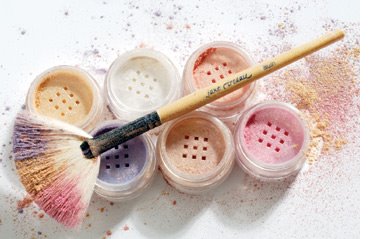
The LowDown On Mineral Make-Up!

The  LowDown On Mineral Make-Up!
How "natural" is mineral make-up? Is it really as good for your skin as they say? Get the low down here! You'll be surprised what you learn!

Over 40? Four MakeUp Essentials!

Over 40?  Four MakeUp Essentials!
Discover the 4 essential make-up items for every woman over 40!

Having a Hot Flash?

Having a Hot Flash?
Relax!! There's a brand new way to cool off - naturally ! Click the sun to learn more!

Mineral Makeup Brand Comparison

Mineral Makeup Brand Comparison
Learn how the selling brands of mineral make-up compare.

Tuesday, April 28, 2009

Swine Flu , Pregnancy & Fertility: Special Advice

By Colette Bouchez

With the swine flu now holding the potential for a worldwide pandemic, there is perhaps no one more worried about getting sick than women who are pregnant.

This is particularly true for those of you over 35 who may already be struggling with fertility issues - or maybe undergoing
fertility treatments right now.

The good news is that pregnancy doesn't necessarily increase your risk for getting the swine flu - or any other type of flu. However, it is important to note that if you do get the flu while you are pregnant, studies show you are up to five times more likely to suffer serious complications - such as pneumonia. And that is often where most of the flu fatalities lie.

In terms of risks to your baby, the greatest threat from illnesses such as the flu occur from high fevers in the mother during pregnancy. Sustained body temperature over 101 degrees, and particularly over 102 degrees can increase the risk of miscarriage and lead to an increased risk of neural tube defects in your baby - which include life-threatening malformations of the brain and spine.

The good news is there are things you can do to prevent these problems even if you get the flu.

The first is to control your fever.The March of Dimes recommends acetaminophen (Tylenol) but talk to your doctor first to make certain it's okay for you. You should also try to keep your body as cool as possible with cold compresses, and drink plenty of fluids. Pregnancy is not the time to "sweat out " a fever.

Second is continue to take your prenatal vitamins - particularly 1000 mcg of folic acid. Studies conducted at the National Center on Birth Defects and Developmental Disabilities in England, found that women who took a multi vitamin high in folic acid during pregnancy decreased their baby's risk of birth defects, even if they ran a fever while pregnant.

In terms of the the two medications used to treat swine flu - Tamiflu and Relenza - like other flu medications they are ranked by the FDA as "Category C " drugs - meaning they have not been tested for use during pregnancy. That said, it's important to note that there have not been any cases of birth defects or other serious health concerns linked to the use of these drugs in pregnant women who have used them.

So, if symptoms are severe, your doctor might suggest a course of either drug, and if this is the case, experts say don't be fearful.

Finally, relax and don't worry! Right now, the stress and anxiety of worrying about getting sick is likely to cause you more harm than the risk of actually getting the flu, which at this point is still quite small.

For more tips and information on swine flu and pregnancy, and some important details on what to do if you contract swine flu while undergoing fertility treatments, check out this article on GettingPregnantNow.org.

For more health and beauty information for women over 35 visit www.RedDressDiary.com.


Copyright by Colette Bouchez 2009 - All Rights Reserved.
In addition to US Copyright, the text of this RedDressDiary article is licensed under a Creative Commons Attribution-ShareAlike 3.0 License. All formatting and style elements of this page are not available under this license, and Colette Bouchez retains all rights in those elements.

Friday, April 24, 2009

Doctors Say Reprogramming Sweet Tooth Key To Weight Loss & Improved Health

Health researchers say “skinny sodas” and other products that reprogram our “sweet tooth” could revolutionize our taste buds and our waistlines. Here's the skinny on the new way to lose weight and stay healthy. - By Colette Bouchez

With spring in the air and summer just an AC blast away, millions of Americans will be swapping their hot mug of java for a icy blast of Coke – or Pepsi or 7UP or Mountain Dew. But for many – particularly women - guzzling down a season of sodas can mean more than a few extra pounds by summer's end. It could also mean some serious health consequences.

Indeed, according to a 20 year study of some 90, 000 women just published in the American Journal of Clinical Nutrition by the Harvard School of Public Health (HSPH), those gals who drink more than two servings a day of a high sugar beverage have up to a 40 percent increased risk of heart disease, when compared to those who drink less.

"Healthier beverage options would allow individuals to make better choices," stated Walter Willett, professor and chair of the HSPH’s Department of Nutrition.

Moreover, in a report issued earlier this week these same Harvard researchers cite cache of clinical research showing direct links between high sugar soda and fruit juice consumption to type 2 diabetes and the nation's growing obesity problem.

But the Harvard researchers are not content with simply pointing out what we are doing wrong. Willett and his group believe that one key to controlling both our bulging waistlines and our growing risk of diabetes and heart disease lies in reprogramming our national sweet tooth to be satisfied with less – and they are taking steps to help us do just that.

Putting significant pressure on the American Beverage Association, the doctors are calling for the creation of a new category of low-sugar beverages – drinks that still contain sugar, but much less.

“The aim is to re-educate the American palate to a lower expectation of sweetness, as well as to give consumers clear information to help them make healthier choices,” state Willett .

Part of the push also includes putting pressure on the FDA to change soda and fruit juice labeling requirements so that calorie counts reflect the whole can or bottle – and not just a single serving. This they say, is particularly important since most folks consume far more than a single serving at one time.

Typically, a 12 ounce can of soda contains between 10 and 12 teaspoons of sugar – about 48 grams of sugar or 4.2 grams per ounce. That translates into as much as 175 calories. The new guidelines call for no more than 1 gram of sugar per ounce - a reduction of nearly 75%. This is similar to what jelly and preserve makers Smuckers and Polaner voluntarily did a number of years ago when they introduced a line of “low sugar” preserves and jellies which contain about half the amount of sweetening as traditional versions.

Not surprisingly however, when it comes to soda, manufacturers may need legislation to make the change. The American Beverage Association responded to the Harvard research by citing data previously published in the Journal of the American Dietetic Association showing the national craving for “full calorie” soft drinks and fruit juice has gone down- not up, since 2006.

"The data shows that the American public is taking advantage of the many beverage innovations being developed by the beverage industry, including the introduction of of new no- and low-calorie beverages," she is crediting with saying in FoodQualityNews.com

While this may be true, still the Harvard researchers believe that swapping sugar for artificial sweeteners isn't the answer - mainly because it continues to stoke our appetite for sweet treats. Thus, the more we remain accustomed to eating something sweet, the more sweets we will ultimately need to fill our sweet tooth.

Juices Even High In Sugar

Now if you're thinking the way around all this is to simply swap soda for fruit juices – not so fast. While it's true that juices contain beneficial antioxidant vitamins and other phyto nutrients, research shows the sugar content of these drinks can be the same – or even higher than sodas – and in this way pretty much negate whatever nutritional protection you think you're getting.

In the research presented by HSPH, a single serving of a typical cranberry juice cocktail contains about 12 teaspoons of sugar ( or 48 grams per serving) while 100% grape juice contains a whopping 63 grams of sugar per serving – or 15 teaspoons ! Apple juice, which many Mom's frequently use to “quiet” their babies, may instead be creating a sweet tooth with 11 spoons of sugar per serving. Meanwhile, orange juice, America's “healthy “ breakfast beverage , contains about 10 spoons of sugar per serving – or 48 grams.

While some of the sugar in juices is admittedly natural – resulting from the fruit itself – still in concentrated form you're not only getting far more, but without benefit of the fiber found in the whole fruits ( which changes the way the sugar is metabolized) experts say you're getting a fattening sugar rush of calories, while priming your sweet tooth to crave more. And don't forget that many juices also add additional sugar or, worse still, high fructose corn syrup which has it's own set of possible health consequences.

How To Cut The Sugar – And Keep The Taste – Right Now!

While the Harvard group is hopeful their efforts will eventually lead to a change in not only manufacturing tenets, but also consumer taste buds – and cravings – if you don't want to wait for the beverage industry to get on board, here are some suggestions for cutting down the sugar in what you eat and drink now.

1.Dilute sodas and juices with lots of ice – or plain seltzer. Moms can turn one family size bottle of soda into two with the addition of a bottle of seltzer. As long as the fizz is there you might be surprised at how little your family notices the difference. If they do, try combining two-thirds of bottle of soda with one-third plain seltzer. And remember, dilute diet sodas as well – the key is to be satisfied with less sugar.

2.Cut down the sugar you add to your coffee or tea, dropping a ½ teaspoon every few weeks until you are down to a ½ teaspoon.

3.If you bake, reduce sugar by up to a half cup. To add bulk increase flour by a quarter cup.

4.Buy smaller glasses. Seriously. In the 1940's, 50's and 60's, breakfast juice glasses were 4 ounces. Today they are 8 ounces. Cut back to 4 and eventually you'll be satisfied with less.

5.Trade up “fruit skins” and dried fruits for fresh or frozen fruits.

6.Buy canned fruit packed in water or “lite “ juices – then soak in plain water before serving.

7.Dilute ½ cup of ice cream with ¼ cup no fat plain yogurt. You can do the same with puddings if you do it right before serving.

You may also be interested in reading:

Eat This and Reduce Menopause Hot Flashes

New Smart Foods Reduce Blood Pressure, Improve Heart Health

Or to find more more health and beauty news from healthy lifestyle expert Colette Bouchez visit RedDressDiary.com.

Copyright by Colette Bouchez 2009 - All Rights Reserved.
In addition to US Copyright, the text of this RedDressDiary article is licensed under a Creative Commons Attribution-ShareAlike 3.0 License. All formatting and style elements of this page are not available under this license, and Colette Bouchez retains all rights in those elements.

Friday, April 17, 2009

Spring -Summer Allergies Triggered by Health Foods

Fruits and veggies are healthy food fares – but not for some who suffer with seasonal allergies. Here's what you need to know to reduce allergic reactions, and still eat all your vegetables! - Colette Bouchez

There's no debating the health benefits of fruits and vegetables. But if you suffer from spring and summer allergies, and particularly hayfever, experts say don't be surprised if certain fruits and vegetables make your symptoms worse.

Indeed, according to a group of British allergy specialists, the incidence of fruit and vegetable allergies is on the rise, particularly among those who already suffer with seasonal allergies to grass, trees and pollen.

“Dr Pamela Ewan, an allergy consultant at Addenbrooke's Hospital in Cambridge, recently told the BBC news : "We have seen a big rise in the number of cases in the past four to five years.
"It is a bit like the peanut allergy was the epidemic of the 1990s. I think fruit and vegetables are becoming the epidemic now.

The reaction from fruits and veggies is primarily OAS – oral allergy syndrome, which causes itching and swelling of the lips, tongue and throat. It can begin almost immediately after ingesting the food but usually doesn't last more than an hour. While it's not normally serious, it can become so, if the allergy is severe enough and breathing is restricted.

The fruits and veggies most likely to cause the reaction in spring and summer include celery, carrots, tomatoes, apples, peaches, pears. The reason? They share the same or similar proteins with some of the trees, pollen and weeds that are prevalent during this time of the year. Experts say the combination of the two exposures brings on the reaction.

“Exposure to other allergens can make food allergies worse – so if you have a mild allergy to cats and a mild allergy to a fruit and you are exposed to cats and eat the fruit at the same time, your reaction to both may be much worse,” says David Rosenstreich , MD, the director of the division of allergy and immunology at Montefiore Medical Center in New York City.

Moreover, Rosenstreich cautions that “ If you are allergic to tree pollen, you can also be allergic to any fruits that come from that tree, as well as foods that cross react with pollens, such as ragweed and melon or grass and certain spices,” he says.

Reducing Allergic Reactions: What To Do

Now if you're thinking this a great excuse to push the fruits and veggies off the plate and fill it with those tasty, non-allergic donuts instead, well, not so fast! There are things you can do to cut down the risk of an allergic reaction and still eat your fruits and veggies too!

Here's what experts say you can do:

1.Eat canned fruits and veggies. Most often the heating process used in canning will break down the proteins linked to allergic reactions so reactions will be minimal.

2.Prepare fresh fruits by stewing them ( add a bit of water, bring to a boil and simmer over a very low flame for up to 30 minutes, adding water when necessary), or you can steam both fruits and veggies to also break down the proteins.

3.Peel and cut the fruits and veggies and then wait ten to fifteen minutes before eating. This can also help reduce some chance of reaction.

4.Avoid eating fresh fruits and veggies outdoors when pollen exposure is the highest.

Copyright by Colette Bouchez 2009 - All Rights Reserved.
In addition to US Copyright, the text of this RedDressDiary article is licensed under a
Creative Commons Attribution-ShareAlike 3.0 License. All formatting and style elements of this page are not available under this license, and Colette Bouchez retains all rights in those elements.

Friday, April 3, 2009

New Food Process Aids Diabetics By Removing Sugar Increasing Flavor

A new way of naturally reducing sugars while enhancing flavors in fruit and vegetable juices offers those with type 1 and type 2 diabetes a way to gain the benefits of phytonutrients without losing sugar control. - Colette Bouchez

You almost can't page through a magazine or flip open your laptop without seeing some new study on the health benefits of replacing soda or even heavily caffeinated drinks with the healthful benefits of fruit and vegetable juices.

But if you're one of the millions of folks dealing with type 2 diabetes or the precursor condition known as insulin resistance, then you also know that many fruit and vegetable juices are off- limits due to an exceedingly high sugar content.

Now, a group of Chinese scientists from Jilin University in Changchun, China have unveiled a brand new way of producing these juices that removes the sugar – but keeps and even enhances the natural flavor, nutrients and vitamin content in every gulp!

“ Our process significantly removes the sugar but retains the nutritional contentof the juices raw materials,” says co-developer Xiuqi Liu , speaking earlier this week before the National Meeting of the American Chemical Society in Salt Lake City where the new system was revealed.

As Liu explains, the new filtering process employs a natural compound known as lactic acid to create a type of fermentation that dramatically reduces the sugar content of these juices, but keeps everything else – including the flavor - in tact.

The system works, he says, by changing carbohydrates into lactic acid, a process which naturally reduces the sugar content.

The specific types of lactic acid bacteria used to ferment the juices was L acidophilusand L plantarum, cultures commonly found in yogurt . The researchers claim these produced the best results, with juices holding up for at least 4 weeks after being processed.

Moreover, the scientists says the process also enhances the flavors of each juice – making them not only healthier, but also tastier.

Perhaps best of all, the process isn't expensive and doesn't require the addition of any special processing equipment – meaning that almost any juice manufacturer can take advantage of the new system to produce a healthier health food!

And indeed, the new system is expected to be in place and in full use by a number of key industry leaders within about a year.

Get The Health Benefits Right Now

In the meantime, however, you can gain nearly all the benefits of fruit juices – with less impact on blood sugar – by simply eating the whole fruit or vegetable. So, for example, instead of starting your day by pouring a glass of OJ, begin it by eating an orange. Instead of downing a glass of grape or apple juice with lunch, try a handful of grapes or munch on an apple.

Of course you won't get the concentrated power punch found in a glass of juice. But you will be taking in less sugar – plus you'll gain additional benefits from the fiber and other natural compounds found in the whole fruit. Moreover, many of these same compounds slow down the absorption of sugars into your bloodstream, so it won't be necessary for your body to produce as much insulin. And that can not only help control your blood sugar, but also your weight.

You might also enjoy reading:
Dieting Easier Thanks To New Secret Food Ingredient
Study: Eat This and Reduce Hot Flashes and Midlife Depression

For more great health and beauty news for women visit RedDressDiary.com - the SOURCE for fabulous women over 40!

Copyright by Colette Bouchez 2009 - All Rights Reserved.
In addition to US Copyright, the text of this RedDressDiary article is licensed under a
Creative Commons Attribution-ShareAlike 3.0 License. All formatting and style elements of this page are not available under this license, and Colette Bouchez retains all rights in those elements.

Tuesday, March 24, 2009

Is The Oprah Effect Good For Womens' Health?

Stars like Oprah Winfrey & Suzanne Somers say bioidentical hormones could be the saving grace for women in menopause. But could they be unknowingly setting us up for the dangerous disappointment of a lifetime? A new book by award winning medical journalist Colette Bouchez looks at another important side of the hormone treatment controversy.

Perhaps nothing has caused more of a stir in women’s health arena then all of the recent attention placed on natural and bioidentical hormones – plant based compounds that some believe can offer the menopause benefits of traditional hormone replacement therapy ( HRT) without any of the health risks – including breast, uterine and ovarian cancer.


Adding fuel to the speculative fires: Celebrities like Suzanne Somers and more recently, Oprah Winfrey, who have stepped into the spotlight to make a great case for bioidentical hormones – and in doing so encouraged a generation or more of women to give them a try.

Indeed, for these two Hollywood legends – and now many more regular gals - it’s clear the pot of gold at the end of the anti-aging rainbow is , indeed, a bucket of bioidentical hormones!

Certainly some experts - like Wulf Utian, MD, executive director of the North American Menopause Society - believe bioidentical hormones can easily be as risky as any form of HRT. "The claims for safety are entirely without merit", he says.

But others, like New York physician Erika Schwartz, MD believe the opposite. " When you give a supplement that is bioidentical to what the body produces, the body knows how to use it to the best possible advantage," she says.

So where does the truth lie?

A New Side To The Story

While both traditional and "natural" doctors alike have come down on both sides of this treatment controversy, as a journalist who has covered – and followed – this issue in women’s health for more than 20 years, there is one more side of the treatment controversy I have yet to hear addressed or discussed by anyone: Namely, whether or not pumping up your body with any kind of reproductive hormones at a time when nature decides they should decline, can ever yield a positive result - even if those hormones come from Mother Nature herself?

Certainly, if we look to what science has to say about the killer diseases linked to hormone stimulation, it seems clear problems are inherent. For example, it’s a well known fact that women who have an early start to their menstrual cycle or continue to menstruate into their 50’s are at greater risk for estrogen –sensitive cancers – ostensibly because they spend more years under the influence of their own estrogen stimulation.

The same elevated risk profile applies to women who have never had children - ostensibly because being pregnant prevents ovulation, and all the estrogen-related ovarian stimulation that goes with it.

We also know that women who are overweight are at greater risk for estrogen-sensitive cancers –and doctors speculate that one reason is because fat cells produce a form of “endogenous” estrogen. The more fat cells you have, the more estrogen stimulation you experience throughout your lifetime - thus the greater your risk of some diseases.

And so the really big question for me is, once a woman reaches a certain number of years of estrogen stimulation – even her own, natural estrogen stimulation - can using hormone replace therapy of any kind, be it bioidentical or not – increase her risks of these diseases?

Moreover, could the difference between those who take hormones and suffer the consequences and those who don't actually be the total number of years each woman was exposed to her own estrogen stimulation? And should this be a factor to consider when deciding whether or not hormone therapy of any kind is right for any one particular woman?

When you get right down to it the nitty gritty … we do not have these answers!

"We are, in many ways, in a no-data zone - bio identical hormones have not been specifically studied in a randomized trial on any wide spread level, and if you are to use that as a criteria, then it's true that we don't know if they are any better- or any worse – than synthetic hormones," says Marcie Richardson, MD, Clinical instructor, Obstetrics and Gynecology at Harvard Medical School, and the director of the Menopause Consultation Service at Harvard Vanguard Medical Associates.

Indeed, it's important to remember that no so very long ago everyone thought traditional, synthetic HRT was the answer – until the Women’s Health Intiative (WHI) study proved otherwise.

And while bioidentical hormones have, indeed, undergone some testing, the reality is that it has been nowhere near the level of the WHI trials . More importantly, until that happens, can we really feel confidant about a treatment decision - no matter who is doling out the advice?

What
DOES the Future Hold?

I'm hopeful that in the next 5 or even 10 years we DO NOT read that Suzanne Somers is facing yet another breast cancer – or that Oprah Winfrey has found herself facing this same – or worse - fate. I adore both of these women – and the thought of losing either one is a loss to great to even consider.

At the same time, I can’t help but wonder how many women’s lives might be lost because they blindly took the otherwise well-meaning advice of those who, while certain they have found their own fountain of youth , could in fact be drowning in the tidal wave of enthusiasm and
high hopes ?

All I’m saying here is that if you are suffering with symptoms of menopause – be it hot flashes and night sweats, mood swings or memory loss, or any of the other 101 things that can wrong during this wacky time of life – you owe it yourself to stop, think and consider what we know and don't know and then consider all your options before making a treatment choice.

It could be the second thought that ultimately saves your life.

(This blog was condensed from the new women’s health book “The Hot Flash Solution “ by Colette Bouchez )

To read more about bioidentical hormones, and other natural treatment options for menopause symptoms visit wwwRedDressDiary.com - the Source for fabulous women over 40!

You might also enjoy reading:
Acupuncture & Hot Flashes: Can It Help You?
The Foods That Make Hot Flashes Worse: What To Avoid

Copyright by Colette Bouchez 2009 - All Rights Reserved.
In addition to US Copyright, the text of this RedDressDiary article is licensed under a
Creative Commons Attribution-ShareAlike 3.0 License. All formatting and style elements of this page are not available under this license, and Colette Bouchez retains all rights in those elements.

Wednesday, March 11, 2009

New Smart Foods Promise Reduced Blood Pressure, Better Heart Health

A new crop of “smart foods” promise to replace bad eating habits with heart healthy ones- and we might not even notice! Here’s the skinny on Smart Foods – the "next big thing" in healthy eating! By Colette Bouchez

Hate to diet? Me too. Hate to eat the so-called “good foods”. Yeah, me too. Well you and I, we might have a better chance at satisfying our taste buds without sacrificing our mid-life heart health, thanks to a new crop of “Smart Foods “ – the latest innovation in healthy eating.

Among the newest is baked goods that replace wheat flour with lupin flour , a grain made from a legume grown primarily in Australia. What makes lupin so smart ?

According to a new study just published in the American Journal of Clinical Nutrition, like soy it’s high in a healthy form of plant protein. But it has more. Lupin also contains non-starch polysaccharides - which means that once ingested, lupin offers the benefits of two types of fiber – both soluble (think oats) and insoluble ( think wheat bran).

Together with the high protein content, the new study showed it can offer diners a one-two punch that satisfies the appetite while working to control blood pressure, cholesterol and maybe weight – and in the process reduce our risk of heart disease. And best of all – it tastes like good old fashioned white bread!

“This approach may be a relatively simple and acceptable dietary measure for helping to reduce cardiovascular risk in overweight and obese persons.” wrote the researchers, which included lead study author Jonathan Hodgson from the University of Western Australia in Perth.

If that were not enough, Lupin flour also contains yet one more nutritional factor that might be making the biggest health difference of all. It’s called arginine, a compound which the body uses in the production of nitric oxide – one of the most potent of all natural vascular relaxing agents . When blood vessels are relaxed, blood pressure remains low. And, in fact, it is arginine that the researchers say may actually be what helped decrease blood pressure in the study participants - over and above what a high fiber food can offer.

“The decrease in blood pressure could result from an improvement in vascular tone mediated by nitric oxide, a potent endothelium-derived relaxing factor,” wrote the authors.

As to controlling your appetite – well previous studies also reported in the American Journal of Clinical Nutrition have shown that when compared to eating white bread, eating breads or rolls made from lupin flour keep study participants feeling fuller longer – and decreased their desire for between meal snacks! Now that is smart!

Smarter Salt – More Taste !

As anyone who’s ever tasted a low-sodium food is likely to tell you , "bon appetit" are not exactly the words that come to mind. It’s not so much the removal of the salt that seems to make it taste so yucky, as is the addition of whatever else they add in it’s place.

Now a new “smart food” technology promises to lower sodium content in foods like snacks, canned soup and frozen entrees and still keep the flavor . Sound impossible?

It’s possible, say experts, and the key lies in replacing common salt ( sodium chloride) with a specially processed compound of potassium chloride - and the “ specially processed “ part is key. Why?

Food manufacturers have long known that potassium chloride naturally offers the true salty taste of sodium while reducing negative health benefits. Unfortunately, it did so at the expense of taste. More specifically, products made with potassium chloride took on a bitter, metallic “after taste” that once you’ve sampled it, makes you never want to take another bite.

But now three ingredient manufacturers have found three novel ways of masking that bitter taste while still allowing the stimulating salty taste we love to shine through!

The end result: You get the salty taste you crave and still dramatically reduce the health problems associated with high-sodium foods, which according to the American Heart Association include an increased risk of high blood pressure and stroke.

Currently, three of these new potassium chloride salt replacers are available: Reduxso, SaltTrim and sub4salt. While you can’t buy them to shake on your fries just yet, all three should be showing up regularly in a variety of low sodium snack , frozen and processed foods in the coming months.

More good food news: Colette Bouchez’s new book "The Hot Flash Solution: A Breakthrough Program for Beating Hot Flashes and Night Sweats in 7 Days" which features a hot flash diet that doctors say "really works" ! Visit RedDressDiary.com to read more about the plan!

You might also be interested in reading:

Food Fight: Don’t Rely On Will Power To Lose Weight -

New Study: Weight Gain Shocker

Copyright by Colette Bouchez 2009 - All Rights Reserved.
In addition to US Copyright, the text of this RedDressDiary article is licensed under a
Creative Commons Attribution-ShareAlike 3.0 License. All formatting and style elements of this page are not available under this license, and Colette Bouchez retains all rights in those elements.

Friday, February 27, 2009

Study: Cosmetic Dangers Increasing

Skin care companies add preservatives to keep bacteria out of products. But a new medical review questions whether many “over preserve” products – and in the process increase serious health risks for women. Here’s what you need to know. – By Colette Bouchez

If you’ve ever developed a red itchy rash – or even a case of hives – after using a skin cream, body lotion, a shower gel or even a foundation, then you’ve already come in contact with “Contact Dermatitis” – a type of allergic skin reaction that often develops in response to chemical preservatives used to keep these products fresh on the shelf.

Now a new medical review out of Denmark claims so many manufacturers are now overloading their products with these questionable chemicals, the risk of getting a reaction grows more likely every day.

" Allergy to preservatives is one of the main reasons for contact eczema caused by cosmetics. As development and elicitation of contact allergy is dose dependent, the over preservation of cosmetics potentially leads to increased incidences of contact allergy, “ says study author Michael Dyrgaard Lundov, a researcher from the Department of Dermatology, National Allergy Research Centre, Gentofte University Hospital in Denmark. His research was just published in the journal Contact Dermatitis.

Preservatives are necessary to control the growth of bacteria in any product that contains water. Among the most harmful of those bugs are pathogenic micro-organisms such as Staphylococcus aureus and Pseudomonas aeruginosa. Both can lead to serious, even life threatening infections, and both are frequently found in contaminated cosmetics.

But while there are some 50 approved preservatives available to help keep these and other harmful pathogens under control, the new review also found the market is dominated by a just a few: parabens, formaldehyde, formaldehyde releasers, metylchloroisothiazolinone, and methylisothiazolinone.

Overuse of these chemicals may be especially bad since studies show they are also among the most irritating chemical preservatives in use today.

“Approximately 6% of the general population has a cosmetic-related contact allergy mainly caused by preservatives and fragrances,” says Lundov.

Moreover, in the US, the patch tested prevalence of allergies to formaldehyde is as high as 9%, according to Lundovs' research paper.

Cosmetic s & Chemicals: More Problems on the Horizon?

As irritating as contact dermatitis can be experts like Vassar’s Dr. Janet Gray say they are less concerned about skin rashes and localized allergies then they are about the potential of long term health consequences linked to overdosing – including an increased risk of cancer.

Indeed, at least some of these chemical preservatives have already been identified by the World Health Organization, the CDC as others as carcinogens, while at least one study found parabens had been collected and stored in what turned out to be malignant breast tissue. And while there is no clear indication that the parabens either caused, or even exacerbated a malignancy, it's an association that has a number of researchers worried.

"The evidence may not be as definitive as some would like, but there are some strong associations suggesting women, particularly younger women, routinely exposed to some of these ingredients may increase their risk of developing breast cancer later in life," says Gray, who, together with experts from the University of Pittsburgh Cancer Institute compiled a report on what we know thus far about the environmental links to breast cancer.

In the US these concerns may be even more significant since manufacturers and importers are not required by law to report to the FDA which preservatives they even use in a product, let alone how much. Any reporting that does take place is strictly voluntary. Indeed, a passage straight from the FDA's own website confirms that, “[Cosmetic] Manufacturers may use any ingredient or raw material, except for color additives and a few prohibited substances, to market a product without a government review or approval."

Cosmetics & Chemicals: How To Protect Yourself

While it’s clear that some type of preservatives are necessary to give products a shelf life – and keep them affordable - Lundov and his group believe we can cut a great many of the risks by simply cutting down on the amount used in these products.

But that may be easier said than done. Determining the threshold at which bacteria does get out of hand is going to require some serious – and expensive – medical testing. And right now, it appears as if manufacturers would simply rather over-dump then pay the price of discovering how much of these chemicals are really necessary to strike a balance.

So what can you do in the meantime? Certainly, many natural products contain far less harmful preservatives - so that’s one shopping option. You can also cut down on some exposures by making some simple switches - from a shower gel or cream, to a bar of soap for example.

But in the end cancer prevention experts like Julia Smith, MD says avoiding one jar of face cream or one tube of foundation isn't going to make as much difference as how you live your life overall.

“Ultimately it’s going to be your cumulative exposure to all chemical and environmental toxins that matters most, “say Smith, director of the Lynne Cohen Breast and Ovarian Cancer Prevention Center at the NYU Cancer Center in New York City.

So, in this respect Smith says cut down on exposures when and where you can , eliminate those products that are not important to you, then use the products you really think you need without excess fear or worry.

"You do what you can, and hope it might make a positive difference in your life”, says Smith.

For more free tips on how choosing safer cosmetics, visit RedDressDiary.com - The destinatation for Fabulous Women Over 40!

You might also enjoy reading:
Mineral Makeup - UNCOVERED!

Fragrance Allergies Cause More Than Sneezing!
Copyright by Colette Bouchez 2009 - All Rights Reserved.
In addition to US Copyright, the text of this RedDressDiary article is licensed under a
Creative Commons Attribution-ShareAlike 3.0 License. All formatting and style elements of this page are not available under this license, and Colette Bouchez retains all rights in those elements.


Thursday, February 19, 2009

The DNA of Looking Young

New research into gene expression has yielded an unexpected result: New ways to make skin look and act young. Here’s the anti aging news you’ve been waiting to hear! By Colette Bouchez

Decoding the human genome was a heady project by any standards –and certainly not intended for the front page of a beauty magazine.

But if researchers at Proctor and Gamble (P&G) are right, gene sequencing – the act of decoding how our genetic framework functions - may in fact be the ticket to finding the skin care ingredients that make old skin look and act like young again.

“Such a genomics approach is one of the unexpected benefits from the human genome project”, P & G scientist Rosemarie Osborne recently told Cosmetics Design.

More specifically, P&G scientists say that by better understanding how skin ages on a molecular level, the easier it will be to uncover what it will take, on an ingredient level , to intervene with the process, and either stop or reverse it.

The Genetic Search for Younger Skin

The process of applying sophisticated genetic research to skin care began at P&G roughly ten years ago. At the time they used the technology to test various skin care ingredients to see how they reacted, on a molecular level, and ultimately how that reaction impacts the way skin looks and feels.

More specifically, they focused on the way skin metabolizes lipids –compounds like essential fatty acids which play a major role in keeping skin healthy and young. Of greatest interest: How that metabolic process changes with both age, and environmental factors such as sun exposure.

What they found: Specific lipids, including ceramides, cholesterol and fatty acids - all essential to skin health - decrease as skin ages, both naturally and via sun exposure. This in turn appears to reduce the ability of aging skin to repair itself, the way skin does naturally when we are young.

The next step in the process was finding ingredients that could intervene in that declining process. In short, find the compounds that, on a genetic level, tell “old skin” to act young again, stepping up lipid production and the repair process that follows.

Anti Aging Skin: The New Science

Fast forward a decade and the research comes full circle with the introduction of Hexamidine, the ingredient that P & G claims was identified as the compound that, along with niacin amide
( vitamin B 3) yielded an increase in the gene expression linked to lipid production and use in skin. Both ingredients are found in P&G’s Olay line of Pro X-L skin care products.

“The tissue engineered models act as a sort of pre screen to a clinical trial when the effect of the compound can be seen in vivo,” said Osborne.

While P&G might have been the first to harness the power of gene sequencing in skin care, they are hardly alone in the lab. L’Oreal SA claims to use genetic analysis to test the impact of proteins on the skin, while Estee Lauder boasts they use gene-expression technology as well.

At the same time, when it comes to the everyday application of human genome research, Alan Guttmacher, acting of the National Genome Research Institute recently told the Wall Street Journal “Marketing tends to be ahead of science”.

That said, P&G is backing up their claims with peer reviewed science. In the past decade their scientists have published over 40 medical papers in prestigious scientific journals concerning not only aging skin, but also the genetic underpinnings linked to dandruff and gingivitis.

To learn more about the new anti aging ingredients, click here.

You might also be interested in reading:

Hope or Hype? Can You Really Look Younger?

Beauty Buyer Beware: Avoid Anti Aging Skin Care Scams


For all the latest health and beauty news for women over 40 visit: RedDressDiary.com


Copyright by Colette Bouchez 2009 - All Rights Reserved.
In addition to US Copyright, the text of this RedDressDiary article is licensed under a
Creative Commons Attribution-ShareAlike 3.0 License. All formatting and style elements of this page are not available under this license, and Colette Bouchez retains all rights in those elements.