










 Are you doing more and remembering less? Here are 10 natural ways studies show you can boost your brain power and remember more - at any age!
by Colette Bouchez
· You come out of the mall and not only don’t remember where you parked
the car, you don’t even remember parking the car.
· You need sticky notes to remember the names of your kids.
· You not only forgot your anniversary, you momentarily forgot…your spouses name.
Sound familiar? If you’re over 45 I can almost guarantee at least one of these things happened to you this month. If you’re over 50, at least one happened today!
The problem is memory loss, and researchers say that, to some degree, it’s a natural part of the aging process. For women, remembering also seems rooted to our hormones – with swings both up and down having an effect.
Indeed, during pregnancy, when hormone levels are soaring, many women become forgetful. In menopause, when these same hormones are plummeting, absentmindedness prevails yet again.
And while some memory loss is clearly age and hormone related, you may be surprised to discover that there are many outside factors that can also impact how well, and how much, we remember.
To help put you on the road to making memories that last, here are 10 ways to boost your brainpower and remember more.
1. Watch Soy Intake – Eating a lot of tofu lately? Or maybe you don’t remember just how much! New research out of Oxford University revealed that eating tofu at least once a day increased the risk of memory loss – particularly in folks over age 60.
2. Eat Less White Bread – While the effect isn’t immediate, Dr. Vincent Fortanasce, author of “The Anti-Alzheimer’s Prescription says that carb-heavy diets – like those containing a lot of white bread and cake - cause insulin to spike, prompting the release of an enzyme necessary to neutralize the effects. The problem: It’s the same enzyme that’s used to clear memory-robbing proteins from the brain. If it’s working on your insulin levels 24/7, it won’t be doing its job for your brain – and over time, memory will suffer.
3. Eat More Fish - According to research published earlier this year in the journal Neurology, eating 3 fishmeals each week significantly reduces your risk of stroke – a major cause of memory loss.
4. Drink Alcohol in Moderation - As the holiday season approaches many of us can look forward to a night of champagne dreams being followed by a morning of no recall. While that once a year hangover isn’t going to have any lasting effect on your memory, drink too much alcohol all year long and studies show your memory will begin to suffer.
5. Sip Some Green Tea – A team of British researchers from Newcastle University found that green tea was able to reduce the activity of brain chemicals associated with memory loss. Reporting in the journal Phytotherapy Research, the researchers suggest that green tea has both long term and immediate effects on memory.
6. Take A Nap - Start logging in a few extra hours of sleep each week and watch your memory improve. Researchers from Boston’s Beth Israel Deaconess Medical Center found that the area of the brain that controls how quickly we access information works more efficiently after a good night’s rest.
7. Quit Smoking – According to a study published earlier this year in the Archives of Internal Medicine, smoking increases the risk of memory loss. The good news: If you quit, there’s a good chance you’ll sharpen back up to speed.
8. Get Your Thyroid Checked – For many women the perimenopause years can bring on more than just hot flashes – it can also cause a decline in thyroid function. Among the most commonly missed symptoms that your thyroid has gone awry: Memory loss. For some gals, this may be the only symptom.
9. Relax More - Stress is a leading memory-thief, and along with depression can make us much more forgetful on a day-to-day basis. Get stress under control via meditation, deep breathing or even yoga, and experts say your memory will benefit.
10. Stop and Smell The Roses – Literally! A group of German researchers found that the scent of roses increased the ability to recall recent events. Spray it your bed sheets and pillow cases so you sniff all night long!
For the latest health, beauty and style advice for women over 40 subscribe to RedDressDiary - It's Free! And be sure to check out CheapChicDiary.com for money saving beauty and style tips!
Copyright ElleMedia Network and Colette Bouchez 2010 - All Rights Reserved.In addition to US Copyright, the text of this RedDressDiary article is licensed under a Creative Commons Attribution-ShareAlike 3.0 License. All formatting and style elements of this page are not available under this license, and Colette Bouchez retains all rights in those elements.
Thursday, April 29, 2010
Boost Memory Power - NATURALLY!


Sunday, March 28, 2010
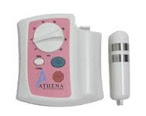
Oops! Medical Study On New Natural Way To Take Back Bladder Control

By Colette Bouchez
- Do you avoid watching romantic comedies because you leak every time you laugh - or sneeze, or cough?
- Are you tired of starting a jog and then running all the way back home because you've "stained' those new sweat pants - again.
- And are you using the word "oops" in a sentence more times then you ever dreamed you would?
For more information on where to find a clinical trial site in your area, see the box on the top left - or click here.
For the latest health, beauty and style advice for women over 40 subscribe to RedDressDiary - It's Free! And be sure to check out CheapChicDiary.com for money saving beauty and style tips!
Copyright by Colette Bouchez 2010 - All Rights Reserved.
In addition to US Copyright, the text of this RedDressDiary article is licensed under a Creative Commons Attribution-ShareAlike 3.0 License. All formatting and style elements of this page are not available under this license, and Colette Bouchez retains all rights in those elements.
Monday, March 22, 2010
Study: Natural Menopause Treatment May Ease Depression & Anxiety
 If your peri-menopause and menopause symptoms include depression and anxiety, there’s good news! A new medical study on red clover shows relief may be closer than you think!
By Colette Bouchez
If you’re one of millions of women doing daily battle with hot flashes , night sweats, and other symptoms of menopause, you may be already turning to one or more herbal remedies to make life easier.
Now a new study shows that one of those remedies – a natural compound known as red clover – may also help boost your mood, alleviating symptoms of depression and anxiety by as much as 80 percent.
That’s the conclusion of new research conducted at the General Teaching Hospital in Korneuberg, Austria, where women taking red clover supplements for just 90 days saw dramatic symptom relief.
“Although clinical data regarding phytoestrogens [ a type of weak natural estrogen that comes from plants] and mood disorders is still scarce, the present series determined that red clover derived isoflavones were effective in reducing depressive and anxiety symptoms among post menopausal women,” write the study authors in the paper recently published in the journal “Maturitas.”
Isoflavones are an “umbrella” term covering a number of compounds known as “plant estrogens” or “phytoestrogens”. Among the most potent are believed to be daidzen and genistein, both of which are also found in soy – one reason it has been frequently touted as a way to reduce menopause symptoms.
But as I explain in greater detail in my books “ The Hot Flash Solution “ and “Your Perfectly Pampered Menopause”, these same compounds are found in much greater amounts in red clover. Moreover, while some research has suggested that soy based products may increase the risk of estrogen-sensitive cancers in some women ( particularly breast cancer), the same is not true for red clover. Indeed, studies show it does not carry the same risks as some suggest are linked to soy.
More specifically a number of studies have shown that while red clover acts like an estrogen in terms of mediating menopausal symptoms, it does so without increasing breast tissue density or increasing the thickness of the uterine lining - both of which can occur with traditional hormone therapy.
Red Clover, Menopause And Depression
Although the “classic” signs of menopause – the ones we always hear about – are common problems like hot flashes and night sweats, for many women equally as troubling are the mood swings, anger, anxiety and depression that can slowly seep into our daily lives in the years following “ the change.”
Certainly, there has been some research suggesting that it is, in fact, the preponderance of physical symptoms, including not only hot flashes and night sweats, but also sleep disturbances that are the real culprits behind the mood changes. And as any woman who is sleep deprived can tell you, a lack of shut eye makes everything seem worse.
That said, other research has strongly suggested that the mood changes of menopause occur independent of the physical symptoms - and certainly this latest study on red clover helps bolster that point of view.
In the new study 109 post menopausal women over age 40 underwent mental status testing and were scored using The Hospital Anxiety and Depression Scale (HADS), a system used to measure and quantify depression and anxiety symptoms. The group was then randomly assigned to receive either 80 mg of red clover isoflavones twice daily , or a placebo, for a total of 90 days. Afterwards, the women were again tested and scored for anxiety and depressive symptoms.
The study result: The women taking the red clover experienced a whopping 76 percent reduction in anxiety and a 78 percent reduction in depressive symptoms, compared to only a 21 percent reduction in these symptoms among women taking the placebo.
Not All Red Clover Alike
Now if you’re grabbing for your car keys and heading right to health food store to pick up some red clover ... not so fast. What’s important to note is that not all red clover is created equal!
Like soy, it is a legume - but unfortunately it’s not quite as easy to consume in its natural food state. While it is available as a tea, an infusion, and in various forms of "dried leaf products", not all are created equal. That’s because a variety of factors can greatly influence the level of key compounds found in red clover - including the conditions under which the plants are grown, when in their life cycle they are harvested, and the portion of the plant used in making the food product.
For these reasons the most reliable form of red clover may be found in supplements. And here again, you have to be a bit mindful of which one you choose. Key thing to look for : That supplement is “standardized” to contain at least 40mg of four key isoflavones including genistein, daidzein, formononetin and biochanin A.
Also important – that the compounds come directly from the red clover plant with no chemical synthesization.
If you have trouble choosing a brand, it may help to know that the one form of Red Clover used in most of the clinical trials – including research on over 1,000 women worldwide – is Promensil. My independent research has shown it is also the brand most often recommended by physicians who suggest isoflavone supplement use. However, there are other supplements on the market that may be equal in terms of what they can provide. For more independent information on how to choose a red clover supplement, click here.
For more health and beauty information be sure to stop by www.RedDressDiary.com – your source for fabulous women over 40. Or visit www.yourMenopause.com for some specific new information on menopause symptoms and relief.
Copyright by Colette Bouchez 2010 - All Rights Reserved.
In addition to US Copyright, the text of this RedDressDiary article is licensed under a Creative Commons Attribution-ShareAlike 3.0 License. All formatting and style elements of this page are not available under this license, and Colette Bouchez retains all rights in those elements.
Sunday, March 7, 2010
CAUTION: Don't Do THIS To Your Cup of Tea!
 If you’re currently drinking tea for it’s health giving benefits – including high levels of heart-healthy antioxidants – there’s something that should not go in the cup! Here’s what you need to know!
By Colette Bouchez
If you’re drinking tea for it’s health-giving antioxidant properties, hold onto your cozies: If you’re adding even a little bit of milk to your cup you could be cutting the benefits by as much as 25%! ,
That’s the news according to new findings just published in Nutrition Research. Indeed, researchers found that adding any kind of milk to tea dramatically reduces it’s antioxidant potential – with some types of milk clearly worse than others.
“We accept the hypothesis that different volumes of bovine milk and milk of varying fat content affect the total antioxidant capacity of tea,” wrote lead authors Lisa Ryan and Sébastien Petit from the Functional Food Center at Oxford Brookes University where the research was conducted.
“The degree to which the addition of milk reduces the antioxidant capacity of black tea depends on the amount added and the fat content of the milk,” they added.
Now if you’re thinking it’s probably the high fat milk that caused the most problems, guess again! In a surprising health twist the study found it’s actually skimmed milk that appeared to exert the greatest reduction of antioxidant properties when compared to fat-free milk or whole milk.
This is key since it is believed that health-giving powers of both black and green tea are linked to it’s antioxidant levels. These are natural compounds ( also found in many fruits and vegetables) that help battle free radicals – unhealthy cells that help initiate the destruction of healthy cells and in the process also may play a role in initiating some diseases.
Indeed, a number of major studies have found that the antioxidant compounds found in all tea, but most prominently in green tea, can battle free radical damage in the process help reduce the risk of Alzheimer’s disease, as well as certain cancers, and my help improve overall cardiovascular health.
Tea Without Milk Will Optimize Benefits
In creating and executing the new study, researchers analyzed the antioxidant capacity of 5 different brands of black tea, and tested each tea with varying volumes of whole milk, semi-skimmed milk, and skimmed milk.
Using a system known as the FRAPP assay ( a way of measuring the antioxidant potential of a food or beverage) the researchers found that the addition of milk in quantities of 10, 15, and 20 mL of whole, semi skimmed, and skimmed cow’s milk appeared to work directly on two specific compounds known as theaflavins and thearubigins. By reducing their levels substantially, the milk reduced the overall antioxidant levels of the tea.
However, the researchers also found that the addition of milk did not appear to reduce concentrations of two other key antioxidant compounds known as catechins and quercetin .
That said, a study published in 2007 in the European Heart Journal. Here doctors found that milk blocked health effects of catechins, particularly in blood vessels, in blood vessels, where it’s believed to be helpful in reducing clot formation by increasing blood flow. So in this respect, adding milk to tea may be even more worrisome, than this new study reveals.
At the same time, adding a squeeze of fresh lemon to your tea may be just what the doctor ordered! As one of the fruits highest in both vitamin C and antioxidant protection, research suggests that adding lemon to tea may actually boost the health benefits of every sip!
Non Dairy Creamer Bad For Coffee?
If tea is not, well, your cup of tea, then the good news is that coffee also contains it’s fair share of antioxidant protection. It’s key health-giving compounds include the antioxidants caffeic acid, ferulic acid and isoferulic acid – and the good news here is that studies conducted by Nestle found that adding milk to instant coffee had no negative impact on the antioxidant potential.
Unfortunately, however, the same may not be true for non-dairy creamers – at least according to one small study. Indeed, in research published in The Journal of Nutrition, levels of both caffeic acid and ferulic acid were reduced with the addition of non-dairy creamers and sugar. To date, however, the results have not been duplicated and there are no large scale studies suggesting that non-dairy creamers can reduce coffees health-giving benefits.
For round the clock health, beauty and style advice for women over 40 visit RedDressDiary.com.
Or check out CheapChicDiary.com for money saving beauty and style tips!
Copyright by Colette Bouchez 2009 - All Rights Reserved.
In addition to US Copyright, the text of this RedDressDiary article is licensed under a Creative Commons Attribution-ShareAlike 3.0 License. All formatting and style elements of this page are not available under this license, and Colette Bouchez retains all rights in those elements.
Friday, February 19, 2010
Foods To Improve Your Memory - And More!
 Is your memory getting a little foggy around the edges? A brand new book promises a nutrition prescription for improving your memory, boosting your brain power and a whole lot more!
By Colette Bouchez
Can’t find those car keys? Or worse still, can’t remember where the car actually is? (Double oops if you’re not even sure you still own a car! :)
If you’re over 40 – and particularly if you’re aged 50 or more - your memory may be getting a little blurry around the edges. I like to call it the “soft focus” approach to aging. But in the real world it’s known as age-related memory loss. And sooner or later it happens to almost everyone, at least to some degree.
Well the good news is, later is always better – and now you can play a significant role in controlling how quickly memory loss sets in, how bad it might get, and even whether or not it occurs at all. In fact you may even be able to reverse some of the loss you’ve already experienced!
That’s the promise of Get Smart: Samantha Heller's Nutrition Prescription for Boosting Brain Power and Optimizing Total Body Health
Here, author and registered dietitian and nutritionist Samantha Heller, MS. RD offers us a detailed but easy to follow food and nutrient plan that will not only have you remembering where you put those car keys, but also recalling enough annoying little facts and details to drive your girlfriends simply mad with envy! ( “How did she remember I was really 56 and not 49?”)
“Get Smart is not just about dodging dementia by having a healthy brain. It’s also about having a healthy body. You cannot have one without the other,” says Heller, who each week treats her many fans to two wonderful hours of healthy talk radio on NYU- Langone Medical Center's Doctor Radio on SIRIUS 114, XM 119.
Heller says that by fortifying the body with an overall healthy eating plan, and then supplementing the food on your plate with a few key nutrient supplements you can have a powerful one-two punch that not only improves your memory, but also increases your overall health and longevity. So, you not only live longer and healthier, you actually remember what’s going on during all those extra happy years!
Among her top suggestions: Loading up on antixoidants, the protective neuro compounds found in greatest abundance in fruits and vegetables.
“Fruits and vegetables are huge contributors of the vitamins, minerals, fiber, healthy fats and phytochemicals the body needs for optimal health – but they also support a healthy brain and may offer protection against dementia,” says Heller.
And that, in fact, is one of the conclusions reached in the massive Harvard Nurses Health Study. Here, researchers reported that women who ate the most vegetables, particularly leafy greens, had a slower rate of memory loss, as well as less memory loss in general than women who weren’t eating any.
More Easy-To-Eat Brain Foods!
But it’s not just fruits and veggies that will keep you remembering which store it is that’s offering the 50% discount on the pricey anti-aging cream. Heller says you also need your daily dose of “healthy fats”.
“ Fats are directly involved in the process of inflammation – good fats, like olive oil, reduce it; bad fats like the trans fats found in baked goods and French fries increase it; and since inflammation is a key suspect in the development of Alzheimer’s disease and other forms of dementia, cutting out the bad fats and replacing them with good fats in one way to nourish your brain and your memory, in a positive way,” says Heller.
In addition to olive oil, she recommends foods high in the Omega 3 group of essential fatty acid compounds – including cold water fish ( like salmon or mackerel), walnuts, flaxseed oil, and soy. Other sources of healthy fats include vegetables, nuts, seeds and most whole grains.
Rounding out your memory-rich menu, says Heller, should also be a healthy daily dose protein.
“Eating too little protein affects the health of your whole body including the ability of the neurons in your brain to communicate,” says Heller. Feeding your brain with a little bit of protein at every meal, she says, is one good way to keep the “brain talk” going – and your whole body feeling good.
But before you toss that burger on the grill, listen up: When it comes to brain boosting proteins, not all sources are alike. Indeed, Heller says you want to avoid the protein sources loaded with those inflammatory saturated fats ( like, say, that juicy burger) and instead look to lean sources of protein-rich foods, like white meat chicken and turkey, fish, nuts and especially vegetable proteins.
“Go for serving sizes of 3 to 4 ounces of fish or poultry or half a cup of cooked beans, two tablespoons of peanut butter, or 8 ounces of non-fat yogurt; if you substitute high fat proteins like cheese, beef and lamb with low fat proteins like fat-free cheese, chicken and tofu, you’ll not only help your brain, but your whole body,” says Heller.
Sweet Memories!
Lastly comes a happy food surprise that boosts your brain power and satisfies your sweet tooth too. Can you guess? It’s sugar!
Yup, it turns out that the sticky sweet stuff we love and crave isn’t the enemy of super brain power after all. And in fact, it can actually help you think better!
“ Sugar is thought of as sinful because it’s usually tied up with junky foods like cookies, cakes, and deep fried Twinkies , soda, candy and other non-nutritive high calorie foods,” says Heller. But in reality she says that the brain needs glucose ( the chemical form of sugar) and it plays a significant role in memory and cognition.
And indeed studies show that consuming glucose improves vigilance, memory, mood and learning. The key to getting that boost, says Heller is avoiding what usually tags along with that dose of sugar – namely those junky , high fat, high calorie carbohydrates like the cookies, cake and candy.
Instead, Heller says "Pump up your glucose levels with whole grains like oatmeal, whole wheat pasta and quinoa - which all break down into glucose plus give you fiber vitamins and minerals too,". And she says, it's really okay to add that spoon of sugar to your coffee or better yet a cup of green tea ( it’s loaded with antioxidants) or pour a little honey over a bowl of fat-free plain yogurt – all of which can give you the brain boost of sugar without losing any of the benefits.
So, the next time you’re wondering around the parking lot trying to figure out where you parked the car, don’t stress out! Instead head for the nearest Starbucks, have a steamy cup of sweet coffee or cocoa and relax. Chances are you’ll remember where your car is parked ….and a whole lot more!
Oh…and remember to pick up a copy of Get Smart: Samantha Heller's Nutrition Prescription for Boosting Brain Power and Optimizing Total Body Health
For round the clock health and beauty advice for women over 40 visit RedDressDiary.com - any time! For the best in beauty and style steals and deals visit CheapChicDiary.com. Or follow our tweets at Twitter.com/ColetteBouchez.
Copyright by Colette Bouchez 2009 - All Rights Reserved.
In addition to US Copyright, the text of this RedDressDiary article is licensed under a Creative Commons Attribution-ShareAlike 3.0 License. All formatting and style elements of this page are not available under this license, and Colette Bouchez retains all rights in those elements.
Disclosure: Clicking on any links in this blog will directly or indirectly benefit RedDressDiary.com and it's contributors.
Wednesday, January 20, 2010
Never Too Late!
 A new study shows it's never too late to improve bone health and reduce the risk of fracture. Read on to discover what you can do - and why it works at any age!
This week a new medical study offered just the kind of news I live to hear: That’s it’s never too late to look to Mother Nature for better health!
Indeed, in research published in the British Medical Journal researchers from the University of California Davis documented how taking vitamin D and calcium together can improve bone health and prevent bone breaks- no matter what age you are when you begin the therapy!
This is an important finding for several reasons. First, in the past many studies of vitamin D and calcium taken independently of one another frequently yielded conflicting results. While some found that either of these nutrients could reduce bone breaks and benefit bone health, other studies found they had little or no effect.
Today’s study found it is, in fact, the combination of the two nutrients - vitamin D taken together with calcium - that yields the positive bone health results.
“What is important about this very large study is that goes a long way toward resolving conflicting evidence about the role of vitamin D, either alone or in combination with calcium, in reducing fractures,” said co-author of the study, Professor John Robbins from the University of California, Davis.
But equally as important: The study also found you could get these same results no matter your age, sex, or history of previous fractures. In fact, everyone who took the combination supplements had a reduced risk of bone fractures!
“This study supports a growing consensus that combined calcium and vitamin D is more effective than vitamin D alone in reducing a variety of fractures,” said Robbins.
What also made this research even more significant is that it involved an analysis of 7 previous studies involving a total of more than 68,000 participants - 15% of which were men - so the base upon which to draw conclusions was vast. Moreover, by reanalyzing the data from all 7 trials in a single study researchers were able to clearly see that when participants took as little as 10 mcg of vitamin D daily along with about 1,000 mg of calcium bone health resulted! More specifically the combination of nutrients reduce the risk of hip fracture by 16% while the overall risk of fracture went down some 8%. Those who took vitamin D at a dose of 10 or 20 mcg alone - without the calcium - saw no reduction in fractures.
What makes the combination so effective say researchers is that while calcium is essential for bone health, it is vitamin D that helps deliver that calcium into the bones where it can be used to keep bones strong.
Bone Health and Menopause
All of this is extremely important information for women over 45 since this is when our bones first begin to weaken. That’s due to a loss of estrogen, which begins to drop as we approach menopause. What’s the link?
Much like vitamin D, estrogen helps our bones utilize calcium in what is known as the “remodeling “ process. This is the natural break-down and build-up of bone cells that occurs throughout our lifetime.
As we age, however, and estrogen levels plummet we also experience a drop in calcium absorption. And that me our bone breaks down faster than it builds up- and that in turn leads to weaker bones which fracture more easily. This is one reason that many doctors not only recommended women increase their intake of calcium as they age, but , until a few years ago, also recommended HRT - hormone replacement therapy, which helped replenish some of the lost estrogen and thus helped keep bones strong.
Now, however, while we know calcium is still important, we can duplicate the absorption effects of estrogen - without any of the side effects of HRT - by simply adding vitamin D supplementation along with the extra calcium.
And again, this is super important for women since, as we age, our risk of the bone thinning disorder osteoporosis - and it's accompanying increased risk of hip fracture - increases. Indeed, to date , some 75 million adults are believed to suffer with osteoporosis in the US, Europe and Japan - the vast majority of them women.
Moreover, with our diligence in avoiding sun exposure - or using heavy sunscreens when we do hit the sun - most of us are now vitamin D deficient. And that means even if you’re taking calcium supplements, you’re probably not getting the benefits or the protection you think.
If you don’t want to take either vitamin D or calcium supplements, then be certain your diet contains lots of calcium-rich foods, and be sure to get 20 minutes of unprotected sun exposure everyday. The body makes vitamin D from changes that occur in skin cells when we are exposed to direct sunlight.
If you do want to take a supplement, the study found that 800 units of vitamin D in conjunction with 1000 mg of calcium are all that’s needed to confer protection.
To learn more about choosing a bone health supplement, click here.
Copyright by Colette Bouchez 2009 - All Rights Reserved.
In addition to US Copyright, the text of this RedDressDiary article is licensed under a Creative Commons Attribution-ShareAlike 3.0 License. All formatting and style elements of this page are not available under this license, and Colette Bouchez retains all rights in those elements.
Saturday, January 2, 2010
Reduce Wrinkles Naturally & Look Younger by 2011 !

By Colette Bouchez
Whether you've just turned 40 and are seeing the first signs of aging, or you're 55 with skin that isn't exactly keeping your birthday a secret, seeking ways to reduce wrinkles is probably on your agenda for 2010.
At the same time, experts say, many of us are losing the wrinkle battle, watching helplessly as the glow of youth goes on the dimmer switch.
"Many women as well as men believe that aging skin is inevitable, but with the information and technologies we have today, you really can look as young as you feel," says Robin Ashinoff, MD, a dermatologist at the Hackensack University Medical Center in New Jersey.
To help put you on the right path, Dr. Ashinoff and several other experts offer these 10 tips on what really works to reduce wrinkles!
How to Reduce Wrinkles: What You Can Do
1. Limit Sun Exposure To 20 Minutes Daily: Studies on identical twins have shown that sun can be your skins' number one enemy, particularly when it comes to wrinkles. Dozens more studies have backed up the idea that spending more than 20 minutes a day in direct sunlight works to gobble up skin's collagen supply - which in turn causes the underlying structure to fall. And that means wrinkles occur on the surface of the skin. What's more the effect is cumulative. So if you stop sun bathing beginning in 2010, and you follow some of the other restorative tips found here, by 2011 you'll definitely look younger!
2. Wear sunscreen. If you must go out in the sun, the American Academy of Dermatology says, wear sunscreen! It will protect you from skin cancer, and help prevent wrinkles at the same time.
3. Don’t smoke. If you can't quit smoking for your health - maybe a quick glance in the mirror will provide some motivation! Truth is, everyday more studies confirm that cigarette smoke ages skin . It does by releasing an enzyme that breaks down collagen and elastin, important components of the skin. Sibling studies done at the Twin Research Unit at St. Thomas Hospital in London found the brother or sister who smoked tended to have skin that was more wrinkled and up to 40% thinner than the non-smoker.
4. Reduce Stress. While frowning can give you wrinkles, the effects of stress go deeper than that! Yale dermatologist Nicholas Perricone, MD, says that when you are stressed you produces excess cortisol, a hormone that breaks down skin cells. Relax more and get adequate sleep and Perricone says, and you'll produce more HGH (human growth hormone), which helps skin remain thick, more "elastic," and less likely to wrinkle.
5. Sleep on your back. The American Academy of Dermatology (AAD) cautions that sleeping in certain positions night after night leads to "sleep lines -- wrinkles that become etched into the surface of the skin and don't disappear once you're up. Sleeping on your side increases wrinkles on cheeks and chin, while sleeping face-down gives you a furrowed brow. To reduce wrinkle formation, the AAD says, sleep on your back.
6. Get reading glasses! If you've been putting off getting those readers, this is the year to do it! Not only will you save your eyes, the AAD says any repetitive facial movement -- like squinting to read your Ipod Touch or your new Netbook screen - will overwork facial muscles, forming a groove beneath the skin's surface. This groove eventually becomes the basis for those crows feet that seem to pop up during your 40's. Also important: Wear sunglasses. It will protect skin around the eyes from sun damage -- and further keep you from squinting.
7. Eat more fish -- particularly salmon. Not only is salmon (along with other cold-water fish) a great source of protein -- one of the building blocks of great skin -- it's also an awesome source of an essential fatty acid known as omega-3. Perricone tells WebMD that essential fatty acids help nourish skin and keep it plump and youthful, helping to reduce wrinkles.
8. Eat more soy! So far, most of the proof has come from animal studies, but research does show certain properties of soy may help protect or heal some of the sun's photoaging damage. In one recent human study, published in the European Journal of Nutrition, researchers reported that a soy-based supplement (other ingredients included fish protein and extracts from white tea, grapeseed, and tomato, as well as several vitamins) improved skin's structure and firmness after just six months of use.
9. Trade coffee for cocoa. In a study published in the Journal of Nutrition in 2006, researchers found cocoa containing high levels of two dietary flavanols (epicatchin and catechin) protected skin from sun damage, improved circulation to skin cells, affected hydration, and made the skin look and feel smoother.
10. Eat more fruits and vegetables. The key, says Kraus, are their antioxidant compounds. These compounds fight damage caused by free radicals (unstable molecules that can damage cells), which in turn helps skin look younger and more radiant, and protects against some effects of photoaging.
For ten more natural tips for reducing wrinkles visit YourMenopause.com. For round-the-clock health and beauty news for women over 40 visit RedDressDiary.com - anytime!
Copyright by Colette Bouchez 2009 - All Rights Reserved.
In addition to US Copyright, the text of this RedDressDiary article is licensed under a Creative Commons Attribution-ShareAlike 3.0 License. All formatting and style elements of this page are not available under this license, and Colette Bouchez retains all rights in those elements.
Thursday, December 17, 2009
Shea Butter Oil: The New Fountain of Youth?
 A new study suggests that the same shea butter oil which helps skin look younger may in fact alleviate the aches and pains of perimenopause and menopause. Here’s what you need to know!
By Colette Bouchez
By now you've probably heard – or maybe even experienced first-hand - the power of Shea Butter to moisturize and repair damaged, aging skin. As an ingredient in many high-end moisturizers it’s use as an anti-aging skin preparation is nothing short of legendary.
Now, however, a growing body of research suggests that natural compounds found in the oils of the shea tree don’t just help you look good, they may, in fact, be what’s really bubbling out of Nature’s own fountain of youth – helping us to turn back the hands of time on a variety of age-related conditions, including those aches and pains of menopause.
And that, in fact, is precisely the finding of a brand new study to be published in January 2010 in the journal PhytoTherapy Research. Here doctors from the Australian Center for Complementary Medicine Education and Research (ACCMER) documented how a supplement containing therapeutic doses of shea oil has the ability to not only reduce incidence of midlife joint pain, but in some instances actually reverse of the underlying age-related damage behind the pain.
According to lead researcher Dr. Phillip Cheras, the secret lies in a natural chemical known as triterpene, found naturally in shea oil. When present in therapeutic levels it works, says Cheras, by reducing levels of an inflammatory compound known as TNF alpha – a natural substance made by the body when joints are under stress.
“Shea extract, the principal ingredient of FlexNow, [the supplement used in the study] has been shown to significantly reduce both joint pain and elevated levels of TNF alpha. There was also a significant decrease in the breakdown of cartilage in the osteoarthritis patients who received the shea extract”, says Cheras, an adjunct professor with NatMed Research at Southern Cross University of New South Wales.
And in fact the study found that after just 3 months of use, participants taking the FlexNow supplement not only experienced some 25% reduction in joint inflammation, they also experienced a reduction in several inflammatory “markers” associated with joint damage.
This may be particularly important for women over 35. Why? From this age forward we begin to gradually lose both estrogen and progesterone. While the drop in these hormones is most often associated with the traditional hot flashes and night sweats, doctors now know it also impacts how a woman perceives pain. Complicating matters further , when estrogen levels are high they keep a lid on the production of inflammatory chemicals particularly those linked to not just joint pain, but also heart disease, high blood pressure, even diabetes. So, without estrogen's protection, production of all these inflammatory chemicals can climb, writing us a "virtual prescription" for feeling more aches as we age.
Flex Now – Feel Good Later: The Study Specifics
The 15 week, randomized, double-blinded study involved 89 patients all of whom were diagnosed with osteoarthritis of the knees or hips. At the start of the study a variety of tests documented not only the degree of joint damage, but also a series of bio markers for inflammation of various types.
Each of the participants were then randomly selected to receive either daily treatment with SheaFlex 70 – a triterpene-rich extract of the African shea tree - or a placebo. Neither the patients nor the researchers knew who was taking the supplement or who was taking the placebo.
The result: In patients taking the FlexNow , those with the highest levels of inflammatory bio markers saw the most significant decrease in both inflammation and cartilage breakdown, as well as decreases in bone remodeling, when compared to those taking placebo.
More specifically, the FlexNow group experienced drop in levels of TNF-alpha of 23.9% vs 6% for the placebo group. Markers for cartilage destruction ( CTX-II) dropped by a whopping 29% in the FlexNow group, while in the placebo group, levels increased by 17.6%.
But it wasn’t only those most affected by inflammation who benefited. Indeed, the study showed that across the board rates of inflammatory chemicals dropped nearly 11% in all the study participants using the shea tree extracts – while inflammation in those taking the placebo increased by nearly 12%.
According to the researchers, their findings indicate that in patients with the highest levels of osteoarthritis biomarkers, “ SheaFlex70 [the active ingredient in FlexNow] demonstrated multiple beneficial activities consistent with slowing the disease process.”
But this wasn’t the first time the level of therapeutic doses of shea oil were proven to help. Indeed, previous studies on Flex Now found it also had a positive impact on inflammatory markers linked not only to joint pain, but those linked to high cholesterol and high blood pressure.
Reducing Inflammation Naturally: What Else You Can Do
While clearly using shea oil supplements is one way to reduce the inflammatory chemicals linked with all those aches and pains, there are other ways that, alone, or together with a supplement, can help you feel even better, ,faster. Here’s what the experts say you can try:
1. Lose a few pounds! Yes I know you’ve heard it all before – the extra weight puts pressure on joints that makes them feel worse. But what you might now know is that it’s not just lugging around those extra pounds that matter. Studies show that fat cells are a major producer of the inflammatory chemicals that not only increase joint pain, but can also increase your risk of diabetes, high blood pressure and heart disease. So, the fewer fat cells you have , the less inflammatory chemicals your body will produce – and yes, losing even 5 to 10 pounds can make a huge difference.
2. Eat less sugar and foods made with white flour. Not only are they higher in calories, but studies show both these ingredients can increase the inflammatory chemicals linked to osteoarthritis, heart disease and diabetes.
3. Eat less red meat. Like sugar and white flour, red meat also can increase the body’s production of inflammatory chemicals. In moderation red meat is a good source of protein – but eat too much and you’re setting your body up for a variety of pain-causing conditions.
4. Eat more fish – particularly salmon. It has among the highest rates of anti-inflammatory action of any food. Not only is it good for your joints, it’s great for your wrinkles! Eat it 3 times a week and see a noticeable improvement in 30 days.
5. Try yoga – or other non-stressing exercise, such as water sports. This can help reduce stress – which is a major contributor to the production of inflammatory chemicals in the body.
Colette Bouchez is the author of Your Perfectly Pampered Menopause and The Hot Flash Solution.
For more fabulous health and beauty tips for women over 40 visit RedDressDiary.com. Or for money saving beauty and style tips visit CheapChicDiary.com For more menopause advice visit YourMenopause.com.
Disclaimer: This article represents independent reporting of a new medical study. No payment or product samples were involved.
Copyright by Colette Bouchez 2009 - All Rights Reserved. In addition to US Copyright, the text of this RedDressDiary article is licensed under a Creative Commons Attribution-ShareAlike 3.0 License. All formatting and style elements of this page are not available under this license, and Colette Bouchez retains all rights in those elements.