

.......................................................................................................

Green Fertility: A Breath of Fresh Air For Couples Trying To Conceive!

Looking to add cranberries to your diet? Try this natural supplement!

Looking to add cranberries to your diet? Try this natural supplement!
New study shows these cranberry chews beat antibiotics in the treatment of common urinary tract infections. Click the picture to learn more!

Your Perfectly Pampered Menopause

Your Perfectly Pampered Menopause
Don't suffer another minute! Click the photo to find the solutions that are right for you!

Go Glam - at a price you can really afford!

Go Glam - at a price you can really afford!
Click the photo to see fabulous designer jewelry -at outlet prices!

The Best Calcium/Vitamin D Supplements For Women's Bone Health - Click on any picture to learn why!

Look younger instantly! Seriously. This product takes years off your face with one swipe!

Benefit Cosmetics LLC

What's In Your Make Up Bag?

What's In Your Make Up Bag?
7 Tips For Choosing Safer Cosmetics: What Every Woman Must Know!

Amazing Sale on Natural French Skin Care! WOW

L'Occitane

Calling All Recessionista Divas!

Calling All Recessionista Divas!
Money saving beauty & style tips you won't belive! All Free! Click the photo!

BRAND NEW ! The Hot Flash Solution : A brand new book by mid life health expert Colette Bouchez

BRAND NEW ! The Hot Flash Solution : A brand new book by mid life health expert Colette Bouchez
Click the cover to find out more!

Bioidential hormones & Natural Estrogen: Learn more!

Bioidential hormones & Natural Estrogen: Learn more!
Click the photo to learn more about natural estrogen and the biological hormones that Oprah Winfry says changed her life!

Stunning Leather Laptop Bag or Briefcase! Very classy!


Say Goodbye to OOPS via the new DUETS Clinical Trial On Natural Bladder Control!

Say Goodbye to OOPS via the new DUETS  Clinical Trial On  Natural Bladder Control!
To find clinical trial sites in your area click the photo above or call 1-888-DUETS-08 for more info! Or visit www.DUETStrial.com for a weekly updated listing of available sites.!

More Hope In A Jar

More Hope In A Jar
Find out the hottest anti aging skin care ingredients!
TigerDirect
YourMenopause.com

FREE SKIN CARE ! REALLY !!!! You can't beat this deal!

Sephora.com, Inc.

FABULOUS FASHION JEWELRY !

FABULOUS FASHION JEWELRY !
Visit http://www.CountryDutchess.com

Making the HRT Decision...TODAY

Making the HRT Decision...TODAY
Trying t o decide if hormones are right for you? Here's what to discuss with your doctor...

Over 40? Top 10 MakeUp Tips!

Over 40?  Top 10 MakeUp Tips!
Top Hollywood make-up guru Michael Maron offers tips on how to make any make-up look better - and help you look younger - no matter your age!

Books by Colette Bouchez

Shelfari: Book reviews on your book blog

Plus Size Style Advice

Plus Size Style Advice
Plus size fashion advice - learn how to look taller, thinner, more attractive, no matter your shape or size! A Red Dress Diary Exclusive!

For Shea Butter ...and so much more!

L'Occitane

Look Thinner Instantly

Look Thinner Instantly
Learn what you can do immediately to look thinner - it's not what you think!

Considering Wrinkle Injections?

Considering Wrinkle Injections?
Click the photo above to find out how the different types compare - their costs and side effects!

Inexpensive Anti Aging Fragrances!

Inexpensive Anti Aging Fragrances!
Click the bubbles to discover the shower gels and body creams that science says can take years off your perceived age! You'll look younger - without even trying! WOW!

Find out why critics are calling this book "the New Bible" of menopause!

Go Green - Be Gorgeous!

Yves Rocher Branding (120x60) Last Chance Shop: Yves Rocher's Biggest Discounts

Where Is Your MSG Hiding?

Where Is Your MSG Hiding?
To learn more about where the controversial food additive MSG maybe hiding in your foods, click the photo!

Reduce Mammogram Pain

Reduce Mammogram Pain
The cream used to reduce mammogram pain in the new study featured in the journal Radiology was Topicaine, minimum 4% lidocaine gel. Click on the picture to learn more about it - or buy it now online!

FREE! $10 in Groceries!

FREE! $10 in Groceries!
Get free groceries - and get em delivered! Save time, save gas save money - What's Not To Love? :)

Tootsie Rolls

Tootsie Rolls
Tips for taking better care of your feet - plus more info on the new "health " shoes!

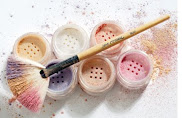
The LowDown On Mineral Make-Up!

The  LowDown On Mineral Make-Up!
How "natural" is mineral make-up? Is it really as good for your skin as they say? Get the low down here! You'll be surprised what you learn!

Over 40? Four MakeUp Essentials!

Over 40?  Four MakeUp Essentials!
Discover the 4 essential make-up items for every woman over 40!

Having a Hot Flash?

Having a Hot Flash?
Relax!! There's a brand new way to cool off - naturally ! Click the sun to learn more!

Mineral Makeup Brand Comparison

Mineral Makeup Brand Comparison
Learn how the selling brands of mineral make-up compare.

Saturday, June 27, 2009

Study: Eat This & Burn More Fat !

A new study shows a common salad ingredient could be the key to weight loss. Here’s how to eat away the pounds! - By Colette Bouchez

If you’re old enough to remember platform shoes (the first time around :), disco balls and KC and The Sunshine Band, then you probably also remember one of the hottest weight loss crazes of the 1970's - The Vinegar and Lecithin Diet.
This one combined lecithin supplements, with a spoonful of apple cider vinegar after every meal - and was once touted as the fat burning revelation of the decade. Of course it soon went the way of pretty much all other fat burning revelations : It was replaced by the next big thing.
But if a brand new study is right, then dig out those KC albums and put on your dancin' shoes: That 1970’s weight loss craze may have actually have some merit.
Indeed, a group of Japanese scientists now say that a compound found in vinegar – a natural chemical known as acetic acid – may, in fact, actually help you burn more fat!
In fact, experts say that although the study was conducted on mice, results are so impressive they believe that not only can it translate to humans, it might eventually elevate plain old every day white vinegar to a high status among the few weight loss aids shown to really work.
“We intend to perform further clinical studies to confirm fat pad reduction and energy consumption enhancement by vinegar intake. Moreover, we will investigate the effect of acetic acid on fatty oxidative activation in other organs, particularly skeletal muscles,” wrote the researchers in the latest edition of the Journal of Agricultural and Food Chemistry.
In the study three groups of mice were fed a diet consisting of at least 50% fat. One group received supplementation of 1.5 percent vinegar (high acid), one group received .3% vinegar (low acid) and the third group received plain water.
The result: By the end of the study the mice taking both the high and the low acid vinegars gained about 10% less body fat than the mice who had no vinegar. This, say researchers, indicates that even a little vinegar may do the trick when it comes to fat burning potential.
How Salad Makes You Thin
Since almost the beginning of lettuce-growing time, doctors have known that eating a lot of salads can help you maintain your weight. One reason has to do with the low calorie- high fiber content of salad greens, most of which can help you feel full longer after a meal.
Moreover, if you start your meal with a salad, and give your appetite 10 to 15 minutes before eating your next course you’re likely to eat less – simply because the salad will help your stomach feel fuller on less.
Now, however, experts say that adding a douse of vinegar to your greens actually works to influence genes directly linked to the body's ability to burn fat. Moreover, the acid in the vinegar also works to increase activity of heat generating proteins -also key to the fat burning process.
It short, vinegar “turns up the heat” so your body burns fat faster!
Interestingly, previous studies on a concept known as "thermogenics) have shown that other hot foods, including chilli peppers, also appear to increase fat burning by turning up our metabolic heat. In fact there are some super models I know that won’t eat a bite of food unless it’s smothered in a spicy red pepper! Some have been known to follow every meal with a " pepper and water chaser". ( But don't try this at home unless you're already used to eating very spicy foods since they can be hard on the mouth and tongue and cause extreme gastrointestinal upset or other problems.) ( And if you're already suffering from hot flashes, hot spicy foods definite will make the hot flash worse!).
In addition to the new study on vinegar, previous research published in the European Journal of Clinical Nutrition in 2005 has shown it may also reduce appetite and cut cravings that are linked to spikes in sugar that occur after eating. In this instance it may be particularly helpful to those suffering with insulin resistance, the precursor to type 2 diabetes.
You might also enjoy reading:
Or visit RedDressDiary.com - THE SOURCE for health and beauty for women over 40!

Copyright by Colette Bouchez 2009 - All Rights Reserved.
In addition to US Copyright, the text of this RedDressDiary article is licensed under a Creative Commons Attribution-ShareAlike 3.0 License. All formatting and style elements of this page are not available under this license, and Colette Bouchez retains all rights in those elements
.

Monday, June 22, 2009

Cosmetic Safety On The Line

A new book asserts that the rise in breast cancer is directly linked to chemicals in cosmetics and personal care items. But is it true? Here's what you need to know - Colette Bouchez
It seems to be a headline that just won't go away: The safety of cosmetics and personal care is challenged time and again.
Such is the case with a brand new book titled No Family History, (Rowman and Littlefield Publishers) by Sabrina McCormick, PhD, of the Robert Wood Johnson Foundation, in Pennsylvania.
Indeed, according to McCormick, women are being set up for the health hit of a lifetime – and our weapon of mass destruction includes those cute little pink cosmetic bags which, the author says,are frequently filled to the brim with a toxic brew of chemicals that could be making us sick. The effects, say says are compounded daily by exposure to other environmental chemical assaults, from pesticides to household cleaners.
“In our race for a cure for breast cancer, we have ignored the overwhelming body of evidence that demonstrates a link between products from cosmetics to pesticides and breast cancer,” said McCormick.
To bolster her point of view McCormick points to statistics showing that in 1940, approximately one in 24 women who lived to be 80 were likely to get breast cancer – compared to one in eight, which was the figure in 2006. The rise, she says, shows a direct correlation to the rise of the use of chemicals in personal care and other products.
Moreover, it's a point of view shared by an increasing number of experts, including Stacy Malkin, co founder of the Campaign for Safe Cosmetics and author of the book Not Just a Pretty Face ( New Society Publishers).
"Cosmetics and personal care products are potentially major sources of chemical exposure – particularly if you look at the number of items women use and the sheer number of chemicals in them - 20 products, with over 200 chemicals is typical before a woman even walks out the door in the morning," says Malkin.
These chemicals, she says, documented by everyone from the World Health Organization to the Centers for Disease Control, are armed and dangerous, with a slew of health threats that range from cancer to infertility to birth defects and more.

The Beauty Industry Says Safety First
But the beauty industry not only disagrees, they say the alarming accusations are not news – and that these issues have been raised time and time again – with conclusive evidence of harm.
"Many of the issues that are coming up today are, in fact, a recycling of old issues that the FDA considered in their context and decided that no regulatory action was necessary on their part," says John Bailey, executive vice president of science at the Cosmetics Toiletries and Fragrance Association (CTFA), the leading beauty industry organization.
Bailey, the former director of the FDA's Office of Cosmetics and Colors, adds that not only are cosmetics and personal care products generally safe, they are, he says, " Safest of all the products consumers will use that are regulated by FDA including foods, drugs, dietary supplements and over the counter drugs and it is well documented in the number of consumer complaints that FDA gets compared to other areas."
And in truth, FDA stats do show that complaints about cosmetics and skin care products are exceedingly small when compared to those registered about over the counter drugs or even prescription medications.
While this may be true, some experts say it's not so much the immediate reactions of these products – the kind the FDA monitors – that gives rise to concerns, but rather the future and cumulative risks to our health that represent the biggest threat.

Younger Women At Greatest Risk
Indeed, studies have shown that some of the chemicals commonly used in cosmetic and skin care products are not only showing up in our blood , but also in our body tissue – in some instances in malignant breast tissue. And while there is still no clear cut link to show that these chemicals caused the malignancy to occur- or spread - some experts believe it's enough of a smoking gun to raise eyebrows – and concern.
"The evidence may not be as definitive as some would like, but there are some strong associations suggesting women routinely exposed to some of these ingredients may increase their risk of developing breast cancer later in life," says Vassar professor Dr. Janet Gray, who, together with experts from the University of Pittsburgh Cancer Institute compiled a report on what we know thus far about the environmental links to breast cancer.
Moreover, Gray explains that it may be our daughters and grandaugthers that could be at greatest risk since, she says, breast cells that are developing ( which they do until about age 25 ) are far more susceptible to chemical influences that those which are already fully grown.
Cancer prevention expert Julia Smith, MD, agrees.
“What worries those of us involved with cancer prevention is that we don't know the cumulative effects of these chemicals, or the synergistic effects of one chemical with another, or what role the chemicals found in cosmetics will play when viewed in the broader scope of the overall chemical exposure we get from all facets of our life, " says Smith, the director of the Lynne Cohen Breast and Ovarian Cancer Prevention Program at the NYU Cancer Institute, New York City.

What Women Should Do Now
Certainly, it would be terrific if we had definitive answers about the impact of all the chemicals in our make up bag or even in our environment . But the truth is, we don't. In fact, while McCormick points out the rise in breast cancer rates correlates with the rise of chemicals in our daily life, the truth is, it also correlates with lots of other factors as well – including increasing rates of obesity, increased consumption of junk food, more alcohol and prescription drug use (some of which has already been linked to an increased risk of cancer), as well as more stress. And experts say any and all of these factors can have as many links to breast cancer as chemicals.
So what's a woman' to do? Smith seems to have the most common sense approach.
“Will you get cancer from using a lipstick ? Probably not. But you should think about all the products you use , and view them against the background of everything else in your life including your family history, your diet, and your general environment, then figure out which of these products are still essential to your life ,” Smith says.
If it isn't essential, says Smith, just do it without it – and then use the products you think you do need without excess fear or worry.
“ You do what you can, and hope it might make a positive difference in your life" , she says.
Visit RedDressDiary.com: Your Source For Beauty & Health For Women Over 40


Copyright by Colette Bouchez 2009 - All Rights Reserved. The text of this RedDressDiary article is licensed under a Creative Commons Attribution-ShareAlike 3.0 License. All formatting and style elements of this page are not available under this license, and Colette Bouchez retains all rights in those elements.

Thursday, June 11, 2009

Cool Off - With Pillows That Provide Sweet Relief!

Having a hot flash? Or maybe it really is hot in here! Either way a new book takes a look at the latest cache of Cool Pillows . Find out what really works to keep you cool this summer! - By Colette Bouchez


If you thought those heating bills were a strain this winter, experts say we're in for an even greater sticker shock this summer, when those AC electric bills come pouring in!

In fact, with utilities going up nationwide, some predict it's going to be tough keeping cool and paying the mortgage this summer!

If this also happens to be your season of hot flashes and night sweats … well take it from me, you definitely can get into some legal trouble for running naked through the sprinkler system at 2:00 am. And in case you're wondering, menopause is definitely not considered a type of insanity plea ( although I can't see why not! ):)

But the good news is that whether it's hot flashes or night sweats turning up your personal thermostat, you can cut down on those AC bills without having to wear your kids flameproof PJs to bed. The answer : A cache of new pillows designed to keep you cool at night.

Based on a variety of technologies – from cool fibers that literally pull heat from your head, to water chilled inserts designed to lower body temperature, to new types of
“cool foam " that prevent your pillow from holding body heat - at least some of these offings can make a huge difference, particularly when it comes to keeping cool at night.

That said, not every “cool pillow” out there works equally as well – and for some relief may be minimal to none. Indeed, I've found that what you get depends a lot on what you expect – not to mention hot how your hot flash really is!

But to help you decide what might be worth a try, here's a look at the four most popular cool pillows on the market today –what they promise, what they deliver , and what you can expect!

Cool Pillow # 1 : THE CHILLOW
Approximate Cost: $30.00 - $40.00
Size: 21”L -- 13.5”W -- approx 1/2" D with water added
Weight: About 5.5 pounds filled.

The Promise: Using a proprietary technology known as “SmoothSoft” a Chillow is said to combine certain properties of thermodynamics (the science of heat and energy) to pull warmth from your head and release it into the air. This continual releasing of heat allows the Chillow insert to remain cool to the touch at all times.

The Reality: If you’re looking for the icy-cold feel of a snowball against your skin, this isn’t it. In fact, even the maker of The Chillow asserts that the goal of the insert is not to remain super cool all the time, but rather to react with your body temperature, cooling you down only when you need it. So, at the start of the night, when your metabolism is still revved from a day of activity, your head will be hotter- and the Chillow will be cooler. As you approach morning, however, and your body temperature has naturally cooled during the night, the Chillow will be substantially less cool to the touch. So, if somewhere around dawn you get a night sweat, the Chillow is not going to get cold again. In this respect it may be most useful for those who need the most cooling when falling asleep.

Cool Pillow # 2: IsoCool™
Approximate Cost: $25-$29.00
Size: Standard, Queen, King, 3” thick.
Weight: 3 to 4 pounds depending on size

The Promise: Because this pillow acts as a kind of temperature sensor, if you’re too warm the pillow absorbs heat so you feel cooler; if you’re cold, it releases heat and feels warm to the touch. Since IsoCool™ products feature the highest available concentration of micro beads, they claim to be the most effective in this category of pillows – as well as the most comfortable. They're also available in two fills: A spiral-spun polyester and a Viscose-elastic foam.

The Reality: I tried the foam version and found that it did feel cool to the touch. That said, it did warm up relatively quickly – it still remained cooler than most foam pillows but definitely warmer than when I first laid down. That said, if you're looking for an icy blast in the middle of a blazing hot flash, this isn't the pillow for you. Plus the foam version I tried had a very strong "foam odor" so if that bothers you opt for the polyester version.

Cool Pillow # 3: HOT FLASH FRIDGE PILLOW
Approximate Cost: $9.95
Weight – About 4 pounds fully inflated
Size: 11 x 9

The Promise: These pillows are designed to feel cool , even after you are burning up! And while they arrive flat, weighing only a few ounces, once soaked in water, they grow cold and inflate to about 6 inches thick. The outside fabric dries super quickly – and if you wipe it off with a towel it’s dry in less than one minute. But because it’s the crystals inside that absorb the water and hold it, the pillow stays constantly cool. For an extra punch of icy coolness, you can refrigerate the inflated pillow for about a half hour.

The Reality: It's not the most comfortable pillow you'll ever sleep on - equal to a very firm throw pillow - but if it's cool you're looking for, cool you will get! This pillow works - and it stays cool through the night! I’ve also found that if you soak it for less time, it doesn’t inflate as much –so it is softer - One caveat: You can’t wash these pillows with any kind of soap. If soap comes in contact with the crystals (and it can permeate the fabric) it can lead to a skin irritation. But if you simply place it in a pillow case, you shouldn’t have any problems keeping it clean.

Cool Pillow # 4: Cool Thing Pocket Square
Approximate Cost: $14.00- 28.00
Size: 11 x 16
Weight – About 2 pounds

The Promise: This product isn't technically a pillow at all, but rather a thin “pocket square” that, like the Fridge Pillow, contains a type of crystal material that inflates when it's soaked in water . This one, however, gets so cold it stays cold for up to several days. No kidding! It also needs no refrigeration and can be refreshed anytime by simply dipping it in cold water.

The Reality: While it's not a pillow you would use for comfort, ( too thin) I've found that it works wonders when tucked inside a pillow case on top of your own pillow – as a kind of layer of cool next to your face and head. Out of all the “cool pillows” I tried, this one remained cold the longest – pretty much through the night. You can also wash this one in soapy water and it won't harm the crystals.

For more information on these products including where to find them visit RedDressDiary.com.

This blog was excerpted from Colette Bouchez's new book : " The Hot Flash Solution"

You might also be interested in reading:
Eat This And Reduce Hot Flashes
Is the OPRAH EFFECT Good For Women's Health?


Copyright by Colette Bouchez 2009 - All Rights Reserved. In addition to US Copyright, the text of this RedDressDiary article is licensed under a Creative Commons Attribution-ShareAlike 3.0 License. All formatting and style elements of this page are not available under this license, and Colette Bouchez retains all rights in those elements.

Friday, May 29, 2009

Study: Sweet Fiber Curbs Appetite -Boosts Weight Loss

The key to controlling your weight is controlling your hunger – and now a new study sheds light on a natural food ingredient that can help you do just that ! - By Colette Bouchez


As anyone who's ever tried to diet can tell you, the key to losing weight is not controlling what you eat – it's controlling your desire to eat it!

I'm talking about appetite – and how the ability to control your hunger pangs and the desire to quench them is key to weight control.

But if a new study just published in the American Journal of Clinical Nutrition is right, that key is about to open a headlock on obesity – and doing so may require nothing more than adding a specific type high fiber sweetener to your diet.

That ingredient say experts, is oligofructose. Not to be confused with fructose or fruit sugar, oligofructose is a slightly sweet plant fiber, that appears to suppress levels of a hormone that actually controls our desire to eat!

Moreover, oligofructose also functions as a probiotic – a type of healthy bacteria that's been shown to have a positive impact on intestinal health - plus it may also help regulate blood sugar, another plus in controlling your appetite.

“Independent of other lifestyle changes, oligofructose supplementation has the potential to promote weight loss and improve glucose regulation in overweight adults,” write researchers Jill Parnell and Raylene Reimer who conducted the research at the University of Calgary in Canada.

Parnell and Reimer also report that foods high in this probiotic fiber not only help reduce levels of ghrelin, a hormone linked to appetite control, but they also increase levels of a peptide hormone known as PYY – which is the natural compound involved in chemically signaling the brain that we have reached our satiation point and we don't need to eat any more.

Conversely, many researchers believe that when ghrelin levels rise and PYY levels fall , it becomes nearly impossible to feel full or control our appetite – not to mention stay on a diet.

A Sweet Way To Lose Weight

The 12 week study involved 48 overweight or obese adults with no other known health issues. Each member of the group was weighed and then randomly assigned to receive either a daily dose of 21 grams of oligofructose, or a placebo. They were then told to eat as they normally would. At the end of the 12 weeks, each member of the group was weighed again.

The result: Those who were taking the oligofructose lost an average of 1.02 kg of weight, while the placebo group gained an average of .45 kg. Moreover , testing showed that while the supplement was able to suppress production of ghrelin ( which helped control appetite), as well as increase levels of PPY( the signal that tells the brain we are full), other hormones involved in the satiation response were not affected.

That said, the researchers report it became clear that the oligofructose was controlling appetite since everyone in the group using the supplement reported a decrease in the desire to eat – and noted they felt fuller on less food. Moreover, no one in the group taking the supplement reported any adverse effects.

Oligofructose is closely related to another plant fiber known as inulin and previous studies have shown that both can be beneficial in reducing body mass index (BMI) while controlling appetite. The research conducted by Parnell and Reimer was among the first human studies to demonstrate the ability of oligofructose to have a direct impact on the body chemistry linked to overeating.

Both oligofructose and inulin can be found in a number of yogursts, and some fruit juices. Oligofructose is also available as a sweetening ingredient and can be found in in some low carbohydrate candies and baked goods.

You might also enjoy reading :
Dieting Is Easier Now Thanks To This Secret Ingredient
The Diet Shoe: Can Footwear Help You Lose Weight?
Or visit RedDressDiary.com - the health and beauty source for fabulous women over 40!
Copyright by Colette Bouchez 2009 - All Rights Reserved.
In addition to US Copyright, the text of this RedDressDiary article is licensed under a Creative Commons Attribution-ShareAlike 3.0 License. All formatting and style elements of this page are not available under this license, and Colette Bouchez retains all rights in those elements.


Friday, May 22, 2009

Study: Could Depression Be Sign of Hidden Cancer?

A new study suggests that in some people depression may be an early warning sign of cancer, appearing long before other obvious symptoms occur. Here's what you need to know. - Colette Bouchez

If a new study proves to be right, the first line of defense for patients suffering with depression may not be that all-too-common prescription for an antidepressant, but instead a medical workup designed to hunt down hidden tumors.

That's the interesting premise just published in a study on line in the Proceedings of the National Academy of Science. Here, neuroscientists from the University of Chicago offer evidence that tumors may, in fact, be responsible for at least some of the biochemical changes that kick off bouts of depression – and that this may occur long before there is any obvious signs that the tumor itself even exists.

“By using this animal model of cancer we were able to isolate just the physiological effects of the tumors from the psychological effects that you get in human studies," said Leah Pyter , a behavioral neuroscientist at the University of Chicago, who led the study and was recently quoted in The Scientist.com.

It has long been known that cancer patients, along with others who suffer from chronic diseases, are more prone to depressive behavior. For the most part, however, doctors believed this was largely due to the emotional response to the diagnosis, as well as a biochemical stress reaction to the disease itself. Indeed, if you, or someone you love has ever undergone cancer treatment, then you already know how stressful both the diagnosis, and sometimes even the treatments can be.

Pyter and her group now believe that based on her research, the biochemical changes caused by the tumor itself could be strong enough to induce depression.

How The Study Was Conducted

To arrive at this conclusions Pyter and her team injected a chemical known to cause mammary tumors into a group of rats. They then monitored these rats, alongside a group of healthy rodents, as they participated in activities designed to reveal clinical signs of depression.

The result: The rats with the tumor cells demonstrated depressive symptoms in more than one situation – and they did so long before they had any telltale signs of cancer.

Researchers believe this is a strong indication that the depression was incited by biochemical changes stemming directly from the tumor cells. What is less clear, however, is what those changes entail.

One theory suggests the answer is rooted in cytokines - immune cells that, ironically, help fight disease. But cytokines have also been known to cause behavioral changes in response to certain bacterial infections, as well as brain trauma. What's more these changes appear to unfold in the same area of the brain linked to depression.

Pyter says all the rats in her study that were injected with the tumor cells showed an increase in cytokine activity, giving further rise to speculation therein lies the link to depression.

Experts say this idea may hold special significance for patients undergoing chemotherapy since many of the drugs used are, in fact, cytokine-based treatments.


Breast Cancer and Anti Depressant Medications


While clearly the new research has the potential to impact all cancer patients , perhaps it's greatest significance is for women at high risk for breast cancer. Why?

For more than two decades scientists have debated links between an increased incidence of breast cancer and the use of certain antidepressant medications, particularly those known as SSRIs (selective serotonin reuptake inhibitors). While the findings are hardly conclusive in either direction, the new research could add another dimension to the debate - with two new questions coming to the forefront.

First: Could the studies which showed a link between the use of SSRIs and an increased risk of breast cancer really have provided us with the first glimpse at the possibility that some women diagnosed with depression may indeed be harboring undiagnosed tumor cells?

Second: If in fact, SSRIs really do increase the risk of tumor growth, should we be first ruling out cancer in all patients who are diagnosed with depression before doling out prescriptions for these, or any other antidepressant medications ?

At least for the moment, both questions remain unanswered.

What This Research Means To You

Certainly, not everyone who is diagnosed with depression develops cancer. Depression is a disease on it's own and experts agree that in most people it is not likely to ever be a sign of a hidden cancer.

That said, if you are diagnosed with depression, there may be a common sense lesson here worth noting: If your family or personal health history indicates you are at increased risk for cancer, particularly breast cancer, and that same history does not indicate an increased risk for depression, it might be wise to talk to your doctor about the need for certain advanced cancer screenings, and to have them either in conjunction with the use of antidepressant medications, or perhaps even before you start taking the medication.

The Really Good News: If , in fact, it turns out that depression is the very earliest marker for cancer in some people, then the possibility of catching this disease early enough to effect a complete cure is now a whole lot greater. And that is indeed, something to smile about.

You might also be interested in reading:
Menopause May Increase The Risk of Depression
Study:Can Attitude Impact Breast Cancer Risks?
Or visit RedDressDiary.com : The 24 Source for Health & Beauty for Women Over 40!

Copyright by Colette Bouchez 2009 - All Rights Reserved.
In addition to US Copyright, the text of this RedDressDiary article is licensed under a Creative Commons Attribution-ShareAlike 3.0 License. All formatting and style elements of this page are not available under this license, and Colette Bouchez retains all rights in those elements.

Thursday, May 14, 2009

News: A Novel Way To Stop Smoking

Trying to quit cigarettes? Best selling author Debbie Macomber's new novel just might help! I also predict it's the start of a whole new genre of summer beach reads - books that capture your imagination while helping you stop a bad habit. Here's a look at a brand new way to get healthy and have a good time! - by Colette Bouchez

If you're anything like me, then you know there's an easy-to-draw line between fiction books that capture our imagination, and self improvement books that teach us how to live our best life.

Which is one reason I was so captivated with “Summer on Blossom Street” by best selling fiction author Debbie Macomber. It's the first fiction book I know of that also carries a powerful health message – and it just might be the start of a whole type of self-help book.

Indeed, intrinsic to the plot of Macomber's new novel is the recreation of a widely successful Australian stop smoking phenomenon called “Knit To Quit” - a program wherein women get together in modern day “knitting circles” using the craft of creation to channel the energies that might otherwise result in the need for a cigarette. The end result is often the ability to quit smoking faster and easier than you might imagine.

In fact, in Britain and Australia, Knit to Quit groups have sprung up everywhere, as women and men increasingly find that the soothing tempo of knitting works to not only help them quit smoking, but also aids in dealing with other nasty habits – like over eating – and even helps certain chronic conditions like depression or even arthritic pain.

Doctors say the repetitive act of knitting – combined with the concentration necessary to learn a new skill – helps keep hands and minds busy. This works much like any stress buster, to transition us to a calmer , more meditative state – thereby reducing the need for a cigarette ( or a donut ). Call it “Zen and the Art of the Scarf”.

When , during a visit to Australia, best-selling author Macomber discovered a Knit to Quit class, she says she knew instantly it would could be the hook upon which to hang another in her best selling series of Blossom Street tales. And in fact, in "Summer On Blossom Street" , yarn shop owner Lydia Goetz, herself a cancer survivor, decides to help a friend quit smoking by offering just such a class – and then expands the group to include anyone who has a bad habit the y want to quit.

On a personal note I will add that , from the moment I began reading, I knew this was a tale that could ring true for many of you. You see, more than two decades ago- when I was in my early 20's - I found myself in the back of an ambulance hooked to a whole lot of heart monitor wires as I vaguely heard the tech calling in to the hospital : “Heart attack victim on the way.” I could barely breathe but I could think – and I remember thinking to myself “If I survive this, I swear I will never touch another cigarette.” I was, I now admit with some guilt, a 3-pack a day chain smoker.

Well as it turns out, I wasn't having a heart attack at all – but instead an allergic reaction to a medication I had just started for an ear infection. I was treated, released and sent home within a few hours, with a new prescription for my ear infection and a warning about an antibiotic I should never take again.

But I also came home with something far more valuable in tow: The promise to quit smoking. Those few hours of feeling what it's like to struggle for a breath was enough of a shocker to make me realize what it would be like if in fact I did have a heart attack – or fell prey to any number of lung-related ailments that steal your breath, courtesy of those daily smokes.

But while the decision to quit smoking may have been easy – the challenge of doing so was hard. I'll spare you all the details on what didn't work - and zero in on what did: I taught myself to knit.

Yup - long before I knew anything about the Knit To Quit programs, much like the women on Blossom street I substituted knitting in place of smoking . Thankfully, within about 6 weeks or so I not only had a stash of some pretty snazzy scarves, I was well on my way to living smoke-free, for life!

It's been over 20 years now – and I've never touched another cigarette since. But I have, however, continued with the craft, often turning to the rhythmic clang of those needles to knit my way through every kind of heart break and heartache you could imagine. ( You should see my sweater wardrobe!)

Certainly Knit to Quit is not a replacement for other kinds of therapy, and it might not work for you as well as it did for me – o r the gals on Blossom Street. But while scientific proof may be a little slow in coming, anecdotal evidence abounds that Knit To Quit is definitely a concept worth trying.

If you do want to give it a try, Summer on Blossom Street entertainingly lays out the plan – and even includes a knitting pattern to get you started. At the very least, you'll get a great scarf out of the deal!

Do you have an interesting or new method that helped you quit smoking? Write me about it – and I'll share your success story with others!

You might also be interested in reading:

Is the Oprah Effect Good For Women's Health?

10 Ways To Cut Health Care Costs

Or visit RedDressDiary.com - the health and beauty source for fabulous women over 40!

Copyright by Colette Bouchez 2009 - All Rights Reserved.
In addition to US Copyright, the text of this RedDressDiary article is licensed under a
Creative Commons Attribution-ShareAlike 3.0 License. All formatting and style elements of this page are not available under this license, and Colette Bouchez retains all rights in those elements.

Friday, May 8, 2009

Studies: Nutrients to Stop Hair Loss, Cut Cancer Risks, Reduce Infections

A cache of new studies reveal certain vitamins can make hair grow thicker, reduce the risk of colon and ovarian cancer and cut infection rate in women – and more. Here's what you need to know – Colette Bouchez

Reduce Hair Loss With This Vitamin!

Has your hubby virtually glued that baseball cap to his head in an effort to hide his thinning hair? Or maybe it's you that's doing the same? Now a new study out of Malaysia has shown that a specific type of vitamin E – a nutrient known as tocotrienol – may reverse baldness by up to 42% and in the process make hair thicker and stronger.

The eight-month study included 28 men aged 18 to 59, reporting hair loss for 2 to 5 years. At the start of the study researchers took hair counts in a pre-selected 2 x2 cm area of the scalp and then assigned the men to either a daily supplement containing 100 mg of tocotrienel, or a placebo capsule containing 600mg of soybean oil. The men were also told to wash and groom their hair normally with whatever products they had previously used.

The Result: After eight months of daily supplement use the men taking the tocotrienol form of vitamin E had a whopping 41.8 percent increase in hair count, with some of the volunteers gaining as much as 50% more growth. The placebo group saw no statistically significant increase in hair count or growth.

Now if you're thinking of just popping a vitamin E capsule to get the same result, there's something you should know: There are actually 8 different forms of vitamin E including 4 forms of tocopherols ( the kind most commonly found in multi vitamins) and 4 types of tocotrienols, which are considered a minor nutrient found in many plants but also available in palm oil, cereal grains and rice bran.

To get the same effect found in the study you need to specifically look for a Vitamin E supplement containing all 8 forms or at the very least the 4 tocotrienols – which are available in specialty vitamin products.

The research was conducted at the School of Pharmaceutical Sciences at the University of Science in Malaysia and will be presented next week at the Vita Foods International Conference in Geneva, Switzerland.

Cut Ovarian Cancer Risk With This Nutrient

Could reducing your risk of ovarian cancer be as simple as munching on some celery, parsley and tomatoes ? New research says yes – because all three foods have a simple but very protective nutrient in common.

That nutrient is a flavonoid known as apigenin - a type of water soluble compound found in plants and often responsible for their vibrant color. Now doctors from Brigham and Women's Hospital, Harvard Medical School and the Harvard School of Public Health found that apigenin may be linked to a 28 percent decrease in the risk of ovarian cancer in women over aged 50.

Reporting in the International Journal of Cancer Research, doctors detailed a study on over 2,000 women, each of whom filled out a 126 item food frequency questionnaire designed to detail intake of foods high in five flavonoids including myricetin, kaempferol, quercetin, luteolin, and apigenin .

The Result: Although there was no statistically significant difference in cancer rates due to the overall intake of flavonoids, when doctors analyzed individual results they found apigenin appeared to reduce ovarian cancer risks by about 28%. It's most plentiful in celery, tomatoes and parsley.

Researchers say they aren't sure how or why apigenin confers protection, and they caution that more research is needed to confirm the findings. But among the possible modes of action include inhibiting estrogen activity in the ovaries, reducing circulating estrogen levels by occupying receptors in the ovary, or interfering with the way estrogen is metabolized in the body. Either way the end result is less estrogenic activity in the ovaries – and that translates into a reduced risk of ovarian cancer.

Since the rate of ovarian cancer is higher among women who are overweight ( which also correlates with higher levels of estrogen) if you are carrying some extra pounds it may be especially important to add these foods to your diet.

Take This Vitamin & Reduce V-Zone Infections

If you're looking to decrease your risk of a common infection known as bacterial vaginosis (BV), try adding more vitamin D to your diet. That's the finding of a new study just published in the Journal of Nutrition by doctors from the University of Pittsburgh Graduate School of Public Health.

The research involved some 400 pregnant women, each examined in their 16th week of gestation. Here doctors found those with low vitamin D levels (20 nmol/liter) were 34 percent more likely to have a BV infection than those whose vitamin D levels were higher ( 80nmol/l or more).

But it's not just pregnant women who are at risk. Doctors suggest that any woman who is low in vitamin D is more susceptible to a BV infection.

And, in fact, bacterial vaginosis is a common problem with symptoms that include an odorous vaginal discharge, and sometimes itching or burning on urination . It develops due to an overgrowth of a certain type of bacteria found naturally in the reproductive tract, and affects up to 30% of women between the ages of 19 and 49. When it occurs during pregnancy BV increases the risk of premature birth and of having a low birth weight baby. It can also increase a woman's risk of contracting HIV, and other STDS including genital herpes, chlamydia and gonorrhea.

While doctors aren't sure how or why vitamin D offers protection research suggests it may stimulate the immune system to keep natural bacteria levels under control.

The most bioactive form of vitamin D - and the form most likely to protect you can be made from just 20 minutes of sun exposure daily. But if , like many women, you are limiting time in the sun to protect your skin, or if you live in a climate where sun exposure is naturally limited, experts recommend 1000 mg of vitamin D supplements daily, as well as consuming food fortified with vitamin D, such as low fat dairy products.

Cut Your Risk of Colon Cancer With This B Vitamin

Looking to cut your risk of colon cancer? Add more vitamin B6 to your diet ! That's the latest finding from the journal Cancer Epidemiology Biomarkers & Prevention. The study documented blood levels of Vitamin B 6 in 197 men who developed colon cancer, and compared the findings with 371 who did not.

The Result: When blood markers for an active form of B6 known as PLP were high, the risk of colon cancer was reduced -sometimes by as much as 50%. When vitamin B6 levels were low, not only was cancer more likely to occur, but the men also had higher levels of other compounds including homocysteine and C-reactive protein (CRP) two natural compounds that promote inflammation. Low Vitamin B levels were also associated in with other factors that increase tumor growth.

The research was conducted by Brigham and Women's Hospital and Harvard Medical School, collaborated with scientists from Harvard School of Public Health, Jean Mayer U.S. Department of Agriculture Human Nutrition Research Center on Aging at Tufts University, and GlaxoSmithKline R&D.

You might also enjoy reading:
Spring Summer Allergies Triggered By Health Foods
New Smart Foods Reduce Blood Pressure - Improve Heart Health

Or stop by RedDressDiary.com anytime for the latest health, nutrition, beauty & style advice for fabulous women over 35!

Copyright by Colette Bouchez 2009 - All Rights Reserved.
In addition to US Copyright, the text of this RedDressDiary article is licensed under a
Creative Commons Attribution-ShareAlike 3.0 License. All formatting and style elements of this page are not available under this license, and Colette Bouchez retains all rights in those elements.

Friday, May 1, 2009

Flu Epidemic: 10 Ways To Cut Health Care Costs

The swine flu epidemic is stealing the headlines. But perhaps the bigger health story underneath any epidemic is how many more people may need medical care, and what that can do to our already inflated health care costs. Here are 10 tips for saving some money without sacrificing good care.

By Colette Bouchez

While everyone is concerned with cutting spending, with a flu pandemic eminent this is clearly not the time to skimp on health care. In fact, if expert predictions about this flu are right, many of us may find ourselves having to budget in some unexpected health care costs in the very near future - even if that only involves preventive care.

If you do find yourself in health care cost turmoil over the next several weeks or months, here are some money-saving tips that help you save some green and stay in the pink.
Bold
1. Negotiate Smart – A 2005 Harris poll showed 3 out 5 folks who bargained with their out of network doctor got a lower price for their treatment. But to bargain more effectively try this:

* Ask your doc tor for the CPT (Current Procedural Terminology) billing code for your procedure. ( It’s what insurance companies and hospitals use to set a charge).
* Call your insurance company and find out what they pay a network doc for this same procedure . Also check what Medicare and Medicaid pays.
* Then ask your doctor if he or she will accept that amount.

2. Make Your Case for Out of Network Care - If you’re choosing an out-of-network doctor because he/she has a vast amount of experience treating your health problem, or special skills that could ultimately save you future health care costs, tell your insurance company. If you can prove the skills of your out-of-network doc will save them big bucks in the long run, they just might pick up the tab.

3. If you go network – go all the way. Everyone knows that choosing an in-network doctor will save you money. To save more, find if the anesthesiologist, radiologist, or other s involved in your care are also in- network. If they aren’t, call your insurance company , for names of those affiliated with the hospital or center where you will have your procedure. Then talk to your doctor about getting those folks on your care team.

4. Double Up On Your Healthcare . If you need to go out of network or have a high deductible, try to get chronic care check ups from a single doctor visit. For example, if you need a Pap smear ask your gynecologist to check your cholesterol , blood pressure even blood sugar, thereby saving you an extra doctor visit.

5. Brown Bag It! If you need a hospital procedure and will be staying more than a day, bring your own self-care incidentals – like toothpaste, shampoo or soaps. Also ask if you can bring some of your own medications such as aspirins or any drugs you take for a chronic condition. Your own is bound to cost less than what the hospital will charge you for a few pills.

6. Health care Teamwork - If you and your partner each have a health insurance plan at work, check where coverage overlaps. Then reduce costs by having one of you opt for a lower priced plan, or even cancel one plan completely.

7. Single Parents Rejoice! You can save big on individual vs family plans by checking out the State Children’s Health Insurance Program ( SCHIP) . Most offer very low cost or even free insurance for children under 18 – meaning you can drop that pricey family plan at work. For more info call the nationwide toll free line 877-KIDSNow. Or visit www.InsureKidsNow.gov.

8. Split The Pill! Most drugs cost the relatively the same for a higher or a lower dose. So ask your pharmacist if a pill can be safely cut in two and if so, ask your doctor to prescribe a higher dose and then split the pill yourself. If it’s not safe to split a pill (some don’t work as well when cut) ask your doctor a prescribing higher dose you take once a day instead of a lower one several times a day.

9. Keep A Symptom Diary. If you’re not sure if that ache or pain really requires a doctor visit? Keep a record of symptoms while you decide - including when the symptom started, how long it lasts, what makes it worse –or better. If you do see your doctor, having this information could make save you a bundle in unnecessary diagnostic tests or procedures.

10. Shop Around. When purchasing medicine look to Big Box stores or non-chain drugstore first. Surveys show both offer lower prices than most chain pharmacies. To save more investigate free prescription drug programs. Some are state or federally funded, others supported by drug manufacturers. Here’s some places to start:

The Access Project: 800- 734-7104
Free Medicine Program.org
RXAssist.org ( 401 -729-3284).

For more health and beauty news for women over 35 visit www.RedDressDiary.com

You might also enjoy reading:
Crisis: Could You Survive a Plane Crash - or Worse?

7 Ways To Avoid Colds and Flu

Copyright by Colette Bouchez 2009 - All Rights Reserved.
In addition to US Copyright, the text of this RedDressDiary article is licensed under a
Creative Commons Attribution-ShareAlike 3.0 License. All formatting and style elements of this page are not available under this license, and Colette Bouchez retains all rights in those elements.